Canada’s oil industry is experiencing a significant surge as it expands into Asian markets, particularly China, signaling a strategic shift to reduce dependence on the United States amid growing trade tensions. Despite concerns that increased Venezuelan crude exports could undercut Canadian oil demand, Canadian producers are achieving record production levels and strong shareholder returns, even as global oil prices remain subdued.
In the first half of 2025, Canadian oil output reached a record 5.19 million barrels per day, up from 5.13 million in 2024, according to Canada’s energy regulator. Notably, Canadian oil shipments to China skyrocketed last year, more than quadrupling to nearly 89 million barrels, while U.S. exports to China declined sharply by 61 percent to 39 million barrels.
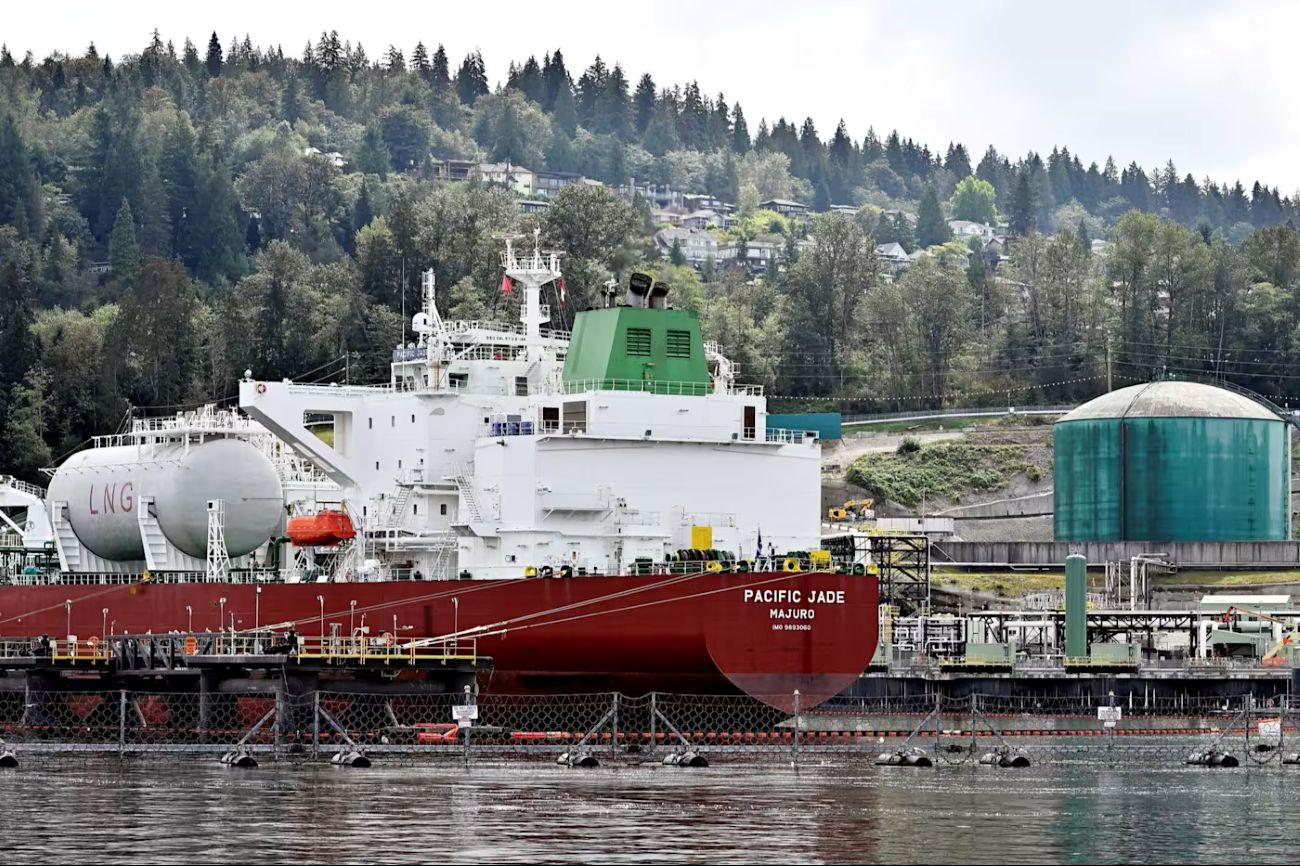
This expansion is largely attributed to the May 2024 launch of the Trans Mountain Extension pipeline, which now enables Canadian crude from Alberta to flow directly to West Coast ports for export to Asia. David Chelich, Global Head of Energy at the Toronto Stock Exchange, remarked, “It’s an excellent time for Canadian oil sands. We’re now reaching markets in China, South Korea, and India.”
Geopolitical challenges, including recent threats of steep U.S. tariffs on Canadian goods, have accelerated Ottawa’s push to diversify export markets. Prime Minister Mark Carney’s recent visit to Beijing emphasized strengthening Canada-China strategic partnerships, while he also plans to engage India soon. Analysts note that Alberta’s reputation as a stable energy supplier has been reinforced by global uncertainties, prompting calls for additional pipeline infrastructure to boost West Coast exports.
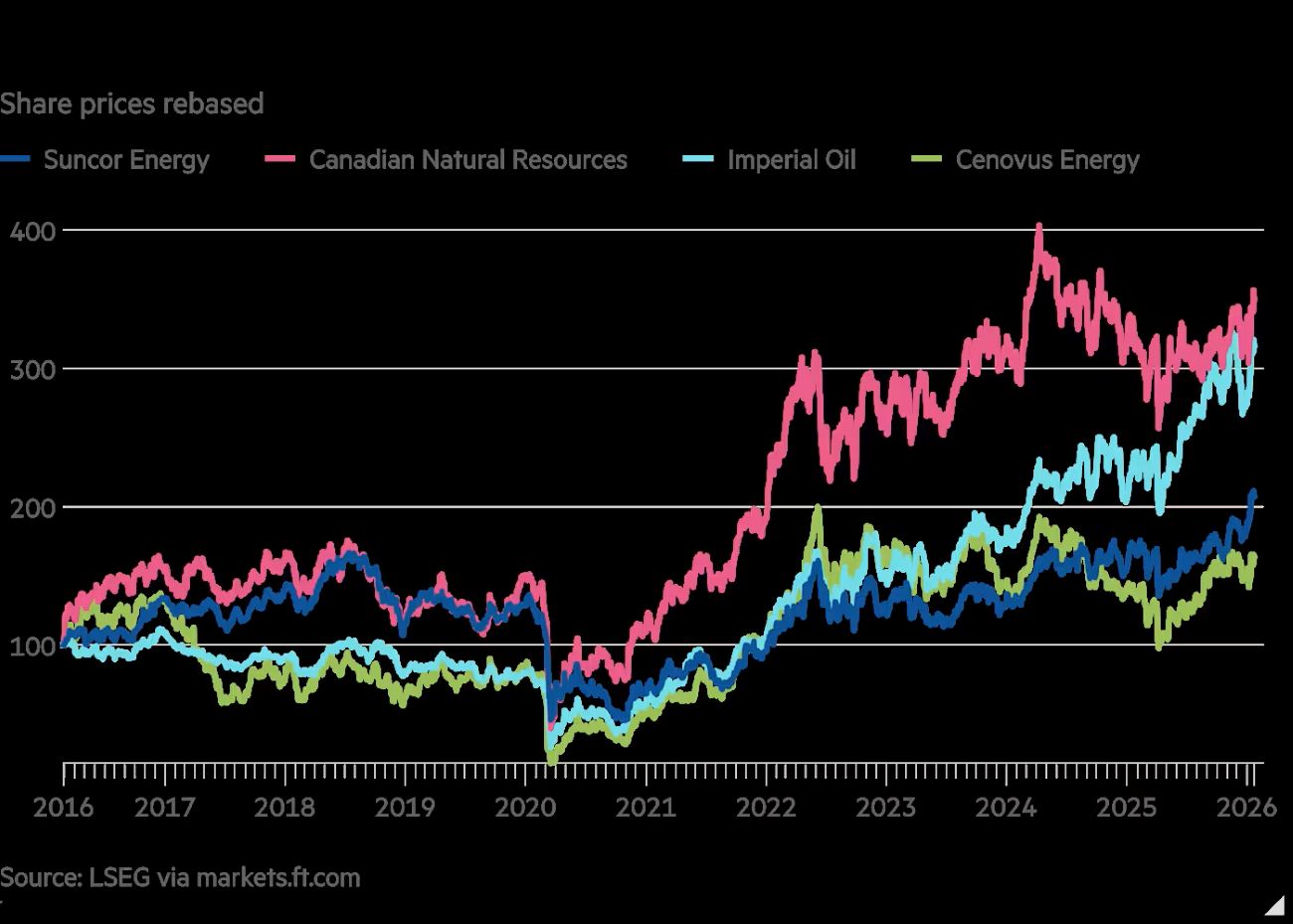
Shares of major Canadian oil companies like Suncor Energy, Canadian Natural Resources, Imperial Oil, and Cenovus are nearing decade highs. These firms recently announced ambitious plans to invest a combined $19.5 billion this year, targeting higher output despite volatile global conditions.
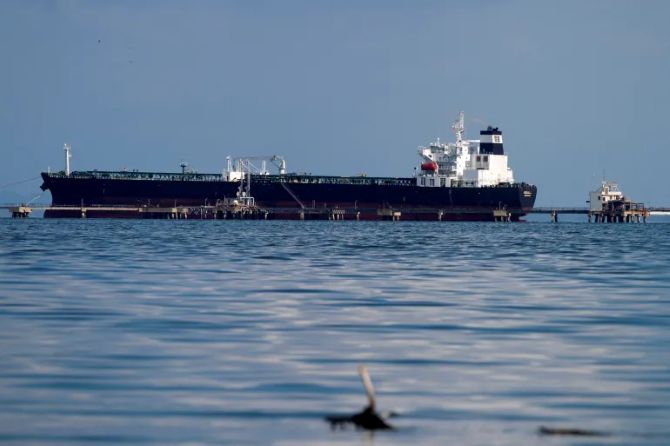
Canada’s oil, characterized by its viscous, high-sulfur content similar to Venezuela’s Merey crude, traditionally served mainly U.S. refineries designed to handle heavy crude grades. While Venezuelan exports to China have historically been significant, the recent political upheaval in Venezuela has temporarily shifted market dynamics. However, energy analysts suggest that any increase in Venezuelan production will be gradual, posing only a moderate competitive threat to Canadian producers.
With ongoing trade tensions between Canada and the U.S., the industry is increasingly focused on expanding pipeline capacity to reach Asian markets. Alberta’s Premier Danielle Smith recently announced plans to submit a pipeline proposal to British Columbia’s northwest coast by mid-2026, with hopes for approval by autumn.
Lisa Baiton, President of the Canadian Association of Petroleum Producers, emphasized Canada’s competitive advantage: “Canada offers shorter shipping routes and competitive pricing for oil and liquefied natural gas to Asian markets.”
Long-term investors are also showing renewed interest in Canadian oil sands, valuing their extended project lifespans of 40 to 80 years. This contrasts with the recent slowdown in U.S. shale production, which has faced declining oil prices and fewer drilling opportunities.
“We are living in a post-frackers world,” noted Cole Smead, CEO of Smead Capital Management. “Investors now prefer long-lived, stable oil assets like those found in Canada.”
Experts also highlight Canada’s reputation as a reliable oil supplier in a world of growing uncertainty. Heather Exner-Pirot of the Macdonald-Laurier Institute remarked, “Canadian producers have built a brand of reliability that distinguishes them in global markets—something Venezuela currently lacks.”
As Canada continues to build on these strengths, its oil sector’s pivot toward Asia appears poised to drive sustained growth and deepen international energy partnerships well into the future.
Reporting by Noko David.