Tensions in Latin America continue to escalate as a senior U.S. military leader makes a strategic visit to Puerto Rico amid rising concerns over Venezuela.
General Dan Caine, Chair of the U.S. Joint Chiefs of Staff, is in Puerto Rico for the second time this year to meet with service members stationed at the U.S. Southern Command, or Southcom. The U.S. has significantly expanded its military presence in the region, positioning advanced assets including F-35 fighter jets, warships, Marines, and the USS Gerald R. Ford — the world’s largest aircraft carrier — as part of efforts to combat drug trafficking and safeguard U.S. interests.
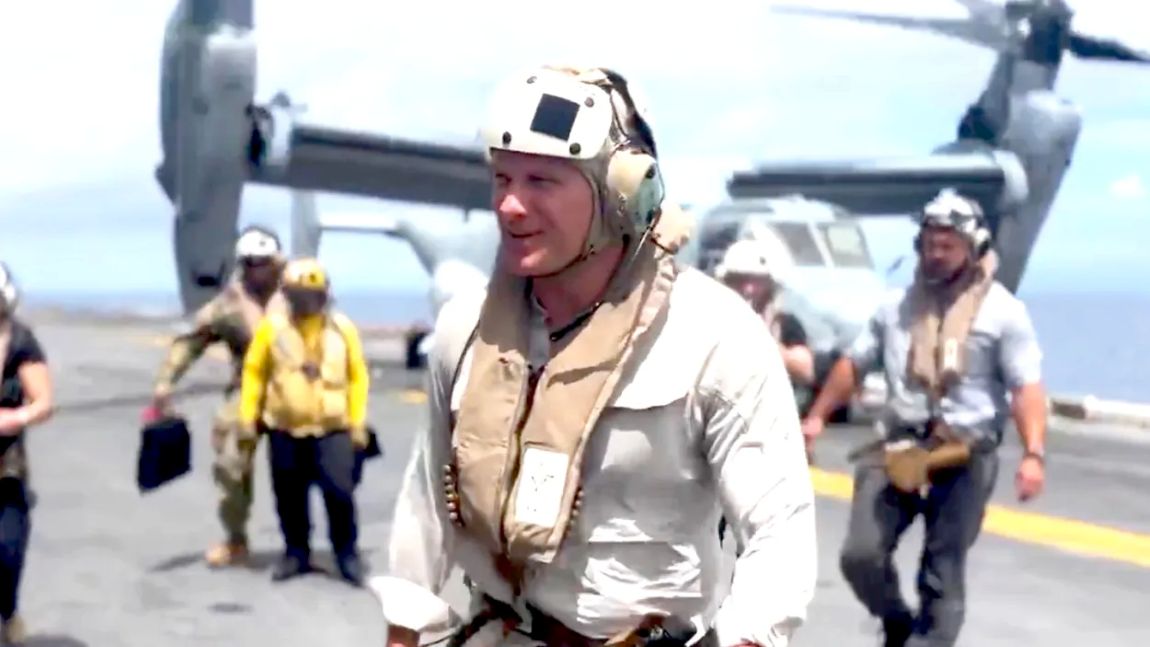
General Caine, along with his senior enlisted advisor David Isom, is engaging directly with troops on the island to express appreciation for their critical role in ongoing regional missions. During the visit, they are also scheduled to board at least one U.S. Navy ship in the Southcom operational area to personally thank sailors for their dedicated service.
This visit comes at a time when relations between the United States and Venezuela are increasingly strained. President Donald Trump has not ruled out the possibility of military action against Venezuelan President Nicolás Maduro, whom the U.S. government has branded “illegitimate” and accused of leading a criminal cartel designated as a foreign terrorist organization. While diplomatic talks remain on the table, the presence of this formidable U.S. military force signals a tough stance.
In recent months, the U.S. military has taken aggressive steps in the region, including the destruction of 21 suspected drug-smuggling vessels in the Caribbean and Pacific waters, which the administration has labeled “narco-terrorists,” resulting in multiple casualties.
The Southern Command has also tightened personnel leave policies during the upcoming Thanksgiving and Christmas holidays to maintain readiness amid the heightened regional tensions.
Adding to the unease, the Federal Aviation Administration issued a warning advising pilots to exercise caution near Venezuelan airspace due to increased military activity. Several airlines, including Iberia and LATAM, have responded by canceling flights to and from Venezuela.
As the standoff continues, all eyes are on Washington and Caracas to see whether diplomacy or military escalation will define the next chapter of this ongoing crisis.
We will continue to monitor this developing story closely.
Reported by Kathy Moore.