Sudan’s forgotten war has taken a devastating new turn, putting an estimated 260,000 people in North Darfur on the brink of a horrific massacre. The Rapid Support Forces, or RSF militia, recently captured El-Fasher, the capital of North Darfur, after an 18-month siege that left tens of thousands of civilians trapped and vulnerable. This grim milestone signals a dangerous escalation in Sudan’s ongoing civil conflict, which began last year with a brutal power struggle between the RSF and the Sudanese Armed Forces.
Nonprofit group Avaaz has urgently appealed for international support, warning that hundreds of thousands face imminent mass killing. Will Davies, Campaign Director at Avaaz, has been raising alarms for over a year, cautioning that El-Fasher could become a “bloodbath.” Tragically, his warnings went largely unheard until the violence exploded.
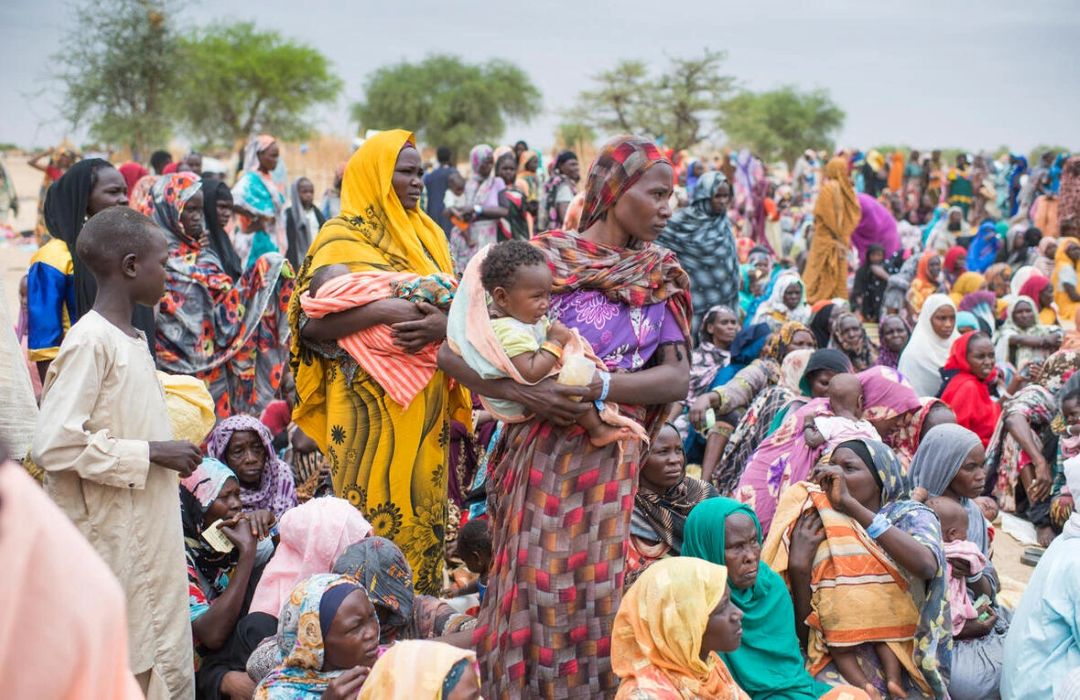
Since the outbreak of civil war in April 2023, Sudan has suffered catastrophic human costs. According to the United Nations, by mid-2024, approximately 150,000 people have lost their lives and more than 12 million have been displaced — with over half of those being children forced from their homes. North Darfur alone has seen nearly 82,000 new internal refugees since the RSF seized El-Fasher.
Food insecurity is spiraling into famine. The Integrated Food Security Phase Classification, the leading authority on global hunger crises, has declared famine conditions in El-Fasher and parts of South Kordofan province. Nearly half of Sudan’s population — around 21 million people — now face severe food shortages, a crisis compounded by ongoing conflict and restricted humanitarian access.
Despite this scale of suffering, the war in Sudan remains largely overshadowed by other global conflicts, such as those in Ukraine and Gaza. Communication with survivors inside El-Fasher has gone dark since its fall, making it difficult to fully document the atrocities, especially widespread gender-based violence. Survivors fleeing into neighboring countries report horrific accounts of mass rape and constant shelling, with many forced to dig their own shelters underground without access to food or water.
Avaaz has shared testimony from survivors like Amira, a mother from El-Fasher, who described the terror of witnessing RSF soldiers slaughter civilians as they fled. “No one would help you,” she said. These atrocities echo the RSF’s dark origins — evolving from the Janjaweed militias, notorious for ethnic violence during the Darfur genocide over two decades ago.
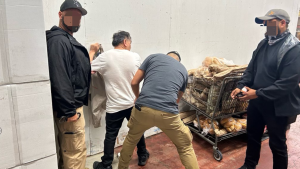
The RSF’s leader, Mohamed Hamdan Dagalo, also known as Hemedti, rose from a rural camel trader to command one of Africa’s most heavily armed paramilitary groups. Investigations reveal ongoing support for the RSF from foreign powers, notably the United Arab Emirates. Leaked UN reports document frequent UAE flights supplying RSF bases in Chad, a key smuggling route into Sudan — despite official UAE claims of humanitarian aid deliveries only.
Experts warn the RSF’s continued campaign would be impossible without this external backing. Meanwhile, Saudi Arabia and Egypt are reportedly arming Sudan’s regular army, fueling a wider regional proxy dimension to the conflict.
International calls for ceasefire and peace talks have been made, including by the UAE’s top diplomatic adviser Anwar Gargash. But as violence rages on, diplomats and UN officials warn the world must act immediately before this forgotten war descends fully into genocide.
This crisis is a stark reminder of the devastating human cost when global attention and aid fall short. The situation in Sudan demands urgent action to prevent further mass suffering.
We will continue to follow this story closely and bring you updates as they become available.
Reported by Ehud Jones.