A controversial decision by the U.S. administration has made headlines both domestically and abroad. The first group of white South Africans—granted refugee status under a new policy directive—has officially arrived in the United States, drawing both praise and outrage.
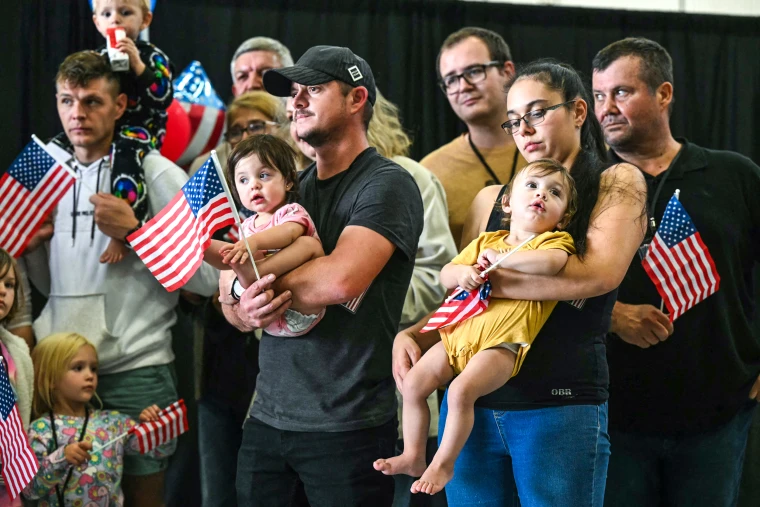
Met with American flags and senior U.S. officials, 59 Afrikaner men, women, and children landed at Dulles Airport outside Washington, D.C. yesterday. Greeted by Deputy Secretary of State Christopher Landau and Homeland Security’s Troy Edgar, the group’s arrival marks the first wave of resettlement since President Trump issued an executive order granting refugee status to white South Africans.
Speaking to the new arrivals, Landau invoked his own family’s escape from Nazi Germany, saying, ‘We respect what you have had to deal with these last few years,’ and claimed the move sends a message that the U.S. opposes racial persecution in South Africa.
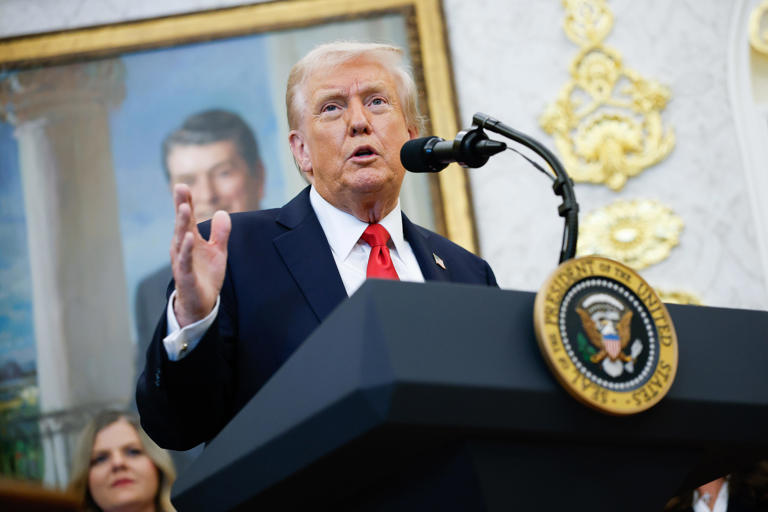
President Trump has described the situation facing Afrikaners as a ‘genocide’—a term that echoes controversial and widely discredited far-right conspiracy theories. Critics say the administration is selectively applying the refugee label to align with political and racial narratives.
On the same day the Afrikaners arrived, the U.S. government ended temporary protections for Afghan nationals, citing an improving security situation in Taliban-ruled Afghanistan. When asked why Afrikaners were prioritized over refugees from war-torn nations, Landau responded that they would ‘easily assimilate’ into American society.
The decision has sparked a strong backlash from humanitarian groups and religious institutions. Laura Thompson Osuri, head of the nonprofit Homes Not Borders, stood at the airport holding a sign that read, ‘Afrikaners are not refugees.’ She criticized the move as politically motivated, saying, It’s about optics — not policy.
Democratic lawmakers have been quick to respond. Senator Chris Van Hollen of Maryland described the policy as part of a ‘global apartheid agenda,’ calling it a ‘deep insult to American values.
South Africa’s President Cyril Ramaphosa confirmed he had spoken directly with President Trump, urging him to reconsider. ‘He’s been misinformed,’ Ramaphosa said, adding that the U.S. was reacting to misleading narratives from individuals opposed to his government’s racial equity reforms.
Statistical reports show that white South Africans still hold disproportionate economic power. On average, their wealth is 20 times that of Black citizens. Unemployment among Black South Africans stands at over 46%, compared to just 9% for whites.
In protest, the Episcopal Church has announced it will end its long-standing partnership with the U.S. refugee resettlement program, citing a moral and spiritual obligation to racial justice.
The White House says more Afrikaner families are expected to arrive in the coming weeks. Meanwhile, President Trump has hinted that he may skip the G20 summit in Johannesburg this November unless, in his words, the situation is taken care of. As this polarizing policy unfolds, global observers are watching closely to see how the U.S. balances humanitarian ideals with political messaging. Stay with us for more coverage on global affairs, coming up next.
Reporting by Katy Moore.