The recent elections in Cameroon and Ivory Coast have once again highlighted a pressing issue gripping much of Africa — the widening generational gap in political leadership.
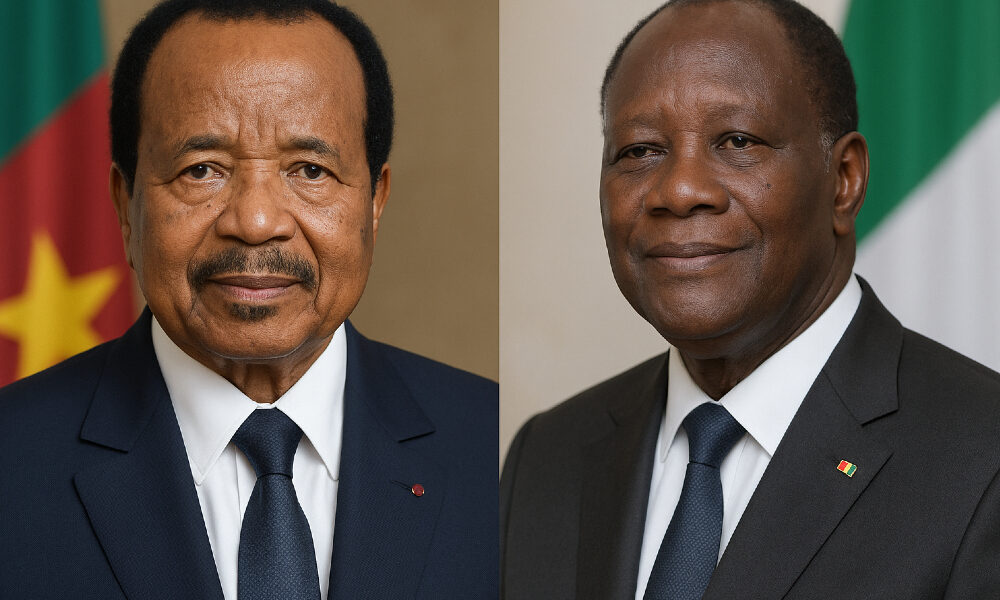
In countries where the median age is under 20, voters have re-elected leaders well into their 80s and 90s. In Cameroon, 92-year-old President Paul Biya secured an eighth term with 53.66% of the vote, according to official results. However, his main challenger Issa Tchiroma Bakary disputes this outcome, alleging electoral fraud and claiming he actually won, a claim that has sparked protests and unrest in cities like Douala and Garoua.
Meanwhile, Ivory Coast’s 83-year-old President Alassane Ouattara was re-elected with nearly 90% of the vote. Critics have questioned the election’s fairness, pointing out that prominent opposition figures, including former President Laurent Gbagbo, were barred from running. Voter turnout was low, and many young Ivorians have voiced frustration over being excluded from the political process.
This disconnect between aging leadership and overwhelmingly youthful populations fuels growing tensions. Cameroon’s median age is just 18, and Ivory Coast’s is 19, according to recent research. Meanwhile, Biya has been in power since 1982, and Ouattara since 2011, reflecting decades of political continuity.
Across social media platforms like Twitter and TikTok, young Africans are making their voices heard. Hashtags such as #YouthVsOldGuard have trended, as students, young professionals, and diaspora members express discontent with leaders who they feel no longer represent their generation’s hopes or challenges.
In Cameroon, small protests led by university students have emerged, calling for fairer elections and a generational shift in leadership.
Voices from social media illustrate this sentiment clearly:
-
@nanotshi wrote, “Congratulations to the Cameroonians for entrusting their future and the future of their children to someone who will not be part of the future of Cameroon.”
-
@OpinionOrb asked, “An eighth term at 92. Should there be mandatory age or term limits for world leaders?”
-
@dramadelinquent commented, “Africa and their love of old Presidents.”
-
And @lweiiiii questioned, “92-year-old Paul Biya re-elected for an eighth term? Who in their right mind votes for that? Something’s seriously wrong in Cameroon.”
While this generational divide is especially pronounced in Africa, it is not unique to the continent. Other global powers like China and Russia are led by elderly presidents — Xi Jinping and Vladimir Putin — both in their seventies. Even in established democracies such as the United States, discussions about the age and capacity of leaders like President Joe Biden have become politically significant.
However, Africa’s youth bulge combined with limited political alternatives and restricted opposition parties creates a particularly difficult environment for generational change.
So why do these elder leaders continue to win?
Political analysts point to several factors: control over electoral bodies, state media influence, and security forces, combined with legal changes that extend term limits. Supporters argue that this continuity provides needed stability in countries with histories of unrest. Meanwhile, disqualification of rivals and a lack of strong opposition help maintain their grip on power.
Looking ahead, with Africa’s median age remaining below 20, this tension between aged leadership and young populations is unlikely to ease anytime soon. The conversation around leadership renewal, succession, and representation will be critical in shaping the continent’s political future.
Paul Biya and Alassane Ouattara symbolize a system where longevity and continuity have taken precedence over generational renewal. Whether Africa’s youth will push harder for reform or accept the status quo remains to be seen, but their actions will define the political landscape for years to come.
That’s the latest on the generational divide in African politics here at SNEWS TV.
Reported by Ehud Jones.