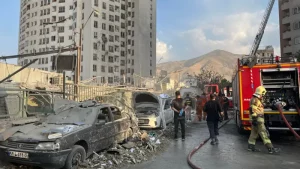
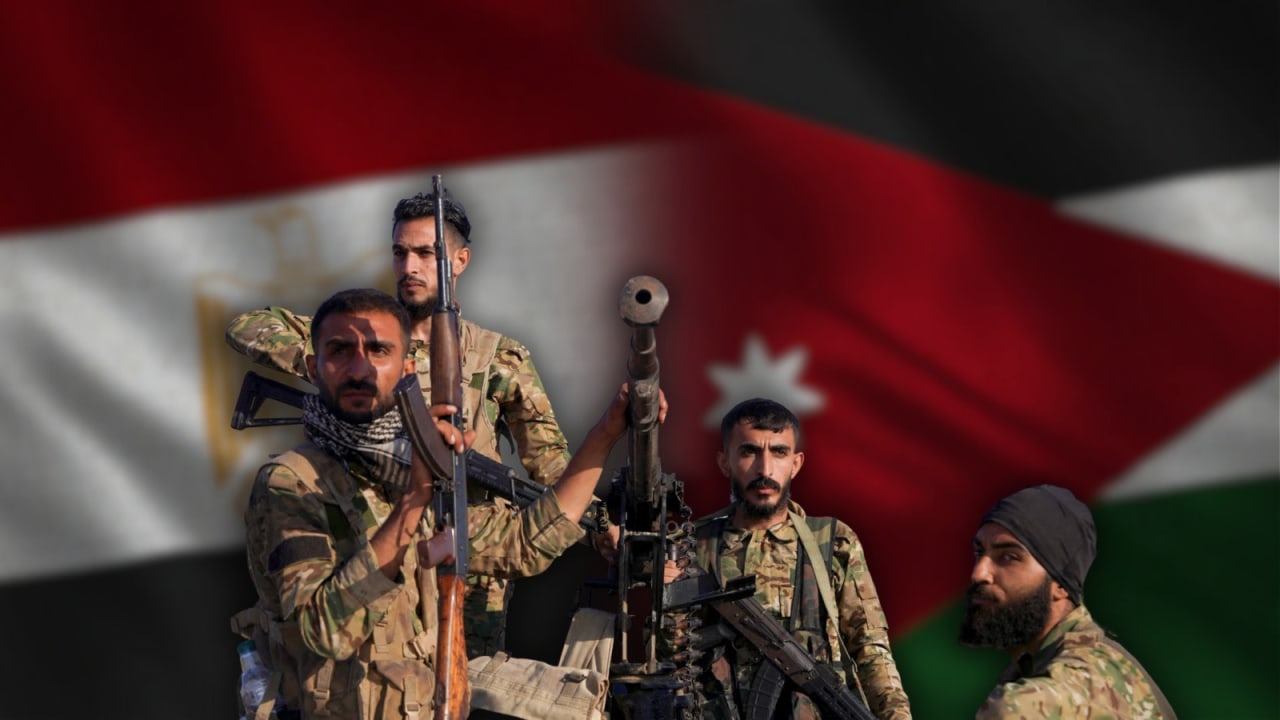
Tensions are rising across the Middle East as the ongoing crisis in Syria threatens to spill over into a broader regional conflict. Tonight, growing concern from two of Israel’s key peace partners, Egypt and Jordan, as both nations condemn recent Israeli military operations inside Syrian territory.
Israel says its strikes in Syria are aimed at protecting the Druze population in Suwayda. But Egypt and Jordan say these actions are escalating an already fragile situation. Egypt, in a strongly-worded statement, denounced what it called “repeated Israeli violations” of the sovereignty of both Syria and Lebanon. The Egyptian Foreign Ministry warned that such actions risk undermining stability across the region, especially at a time when diplomatic efforts are underway to calm tensions.
Meanwhile, in Amman, Jordan’s Ministry of Foreign Affairs echoed similar concerns. In a statement to the state news agency Petra, spokesman Ambassador Sufyan Al-Qudah called Israel’s airstrikes a “dangerous escalation” and demanded an immediate halt. He reaffirmed Jordan’s support for Syria’s sovereignty and warned that unrest near its own border in Suwayda could pose a direct threat to Jordanian national security.
Suwayda briefly observed a ceasefire between Syrian security forces and local groups, but that truce has since unraveled. The Syrian Defense Ministry says its forces are now responding to renewed attacks by what it calls “outlaw groups”, and it’s urging civilians to shelter in place and report suspicious activity.
In Washington, U.S. Special Envoy Tom Barrack weighed in, describing the situation as “worrisome.” He emphasized that the U.S. is actively engaged with all sides, including the Syrian government, Israeli officials, and minority groups like the Druze and Bedouin tribes. Barrack said the administration is working toward what he called “a peaceful and inclusive outcome,” but added that miscommunication and confusion remain major obstacles.
The crisis is drawing in more than just neighboring states. Qatar and Turkey, both supporters of the new Syrian leadership, have a vested interest in preventing further destabilization. Russia and China also maintain strategic stakes in Syria. And Iran, which withdrew many of its militias after the fall of the Assad regime, may be seeking to reassert itself — potentially using the chaos in Suwayda as cover.
Intelligence sources warn Iran could be leveraging the situation by reactivating proxy networks near the Golan Heights, smuggling Captogon narcotics and arms, or mobilizing from Iraq. There are even reports that Iran-backed militias in Iraq have been increasing pressure on the Kurdistan Region and targeting U.S. military assets at Al-Asad Airbase, raising serious concerns in Washington.
As this volatile situation unfolds, it’s clear that what began as a localized conflict in southern Syria is now becoming a regional flashpoint, one with dangerous consequences for allies and adversaries alike.
We will continue to follow this story and bring you updates as more details emerge.
Reporting by Carl Montel.