In eastern Democratic Republic of Congo, where several major cities and towns have now spent one full year under the control of the M23 rebel movement—a milestone that underscores the persistence of one of Central Africa’s most destabilizing conflicts.
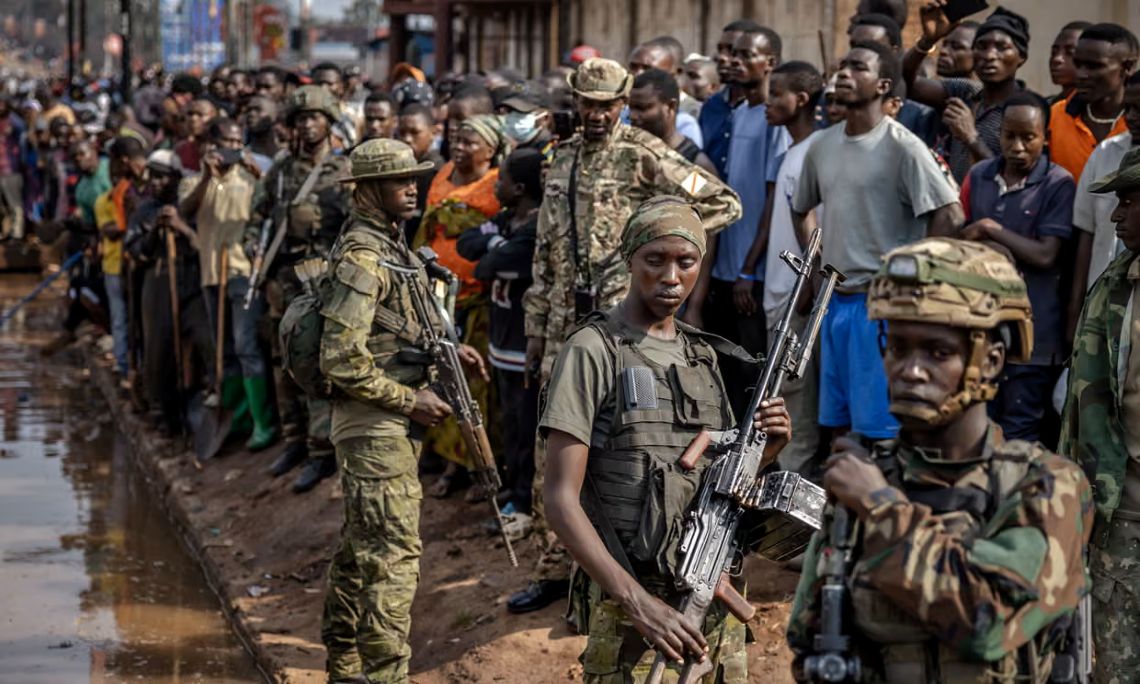
Over the past twelve months, life in these cities has been transformed. M23 fighters patrol streets, regulate movement, and oversee local administration. Markets remain open and public transport continues, but residents say everything operates under constant surveillance and strict rules. Many civilians describe a fragile calm—one shaped by fear, adaptation, and survival.
Local business owners report being required to pay new “taxes” to the armed group, while curfews and checkpoints limit daily activity. Parents say schools function sporadically, often closing during periods of heightened tension. Health services remain strained, with shortages of medicine and medical staff.
Humanitarian agencies warn that the prolonged rebel presence has worsened an already dire crisis. According to aid groups, displacement has surged, with hundreds of thousands of people forced to flee surrounding rural areas for overcrowded camps near the cities. Access to clean water, food, and medical care remains limited, and aid deliveries are frequently disrupted by insecurity.
The Congolese government continues to accuse Rwanda of supporting the M23, an allegation backed by United Nations experts but repeatedly denied by Kigali. Rwanda insists it is defending its own security interests along the border. The dispute has sharply strained diplomatic relations in the region.
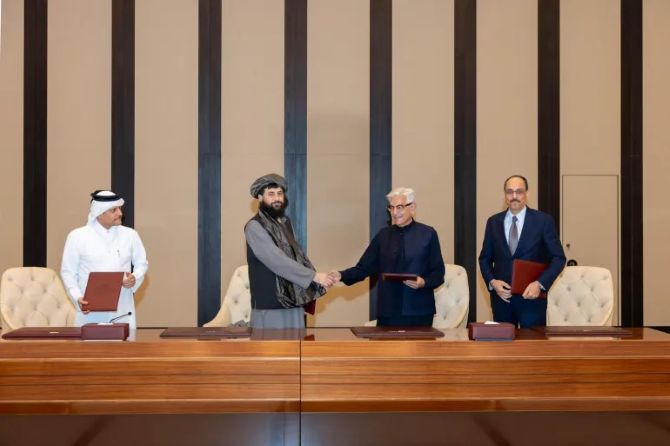
Efforts to resolve the conflict through regional mediation—including talks led by African leaders and ceasefire agreements—have so far failed to produce lasting results. M23 forces remain entrenched, and clashes with Congolese troops and allied militias continue in nearby areas.
For civilians, the passing of one year under M23 control brings little sense of resolution. Many residents say they feel trapped between armed groups, with limited protection and no clear path forward. “We survive day by day,” one resident told local reporters. “Peace feels very far away.”
As the conflict enters its second year, pressure is mounting on regional leaders and the international community to prevent further escalation and address the humanitarian toll.
We will continue to follow developments closely.
Reporting by Ehud Jones.