In a major diplomatic breakthrough, the Democratic Republic of Congo and Rwanda have officially signed a U.S.-brokered peace agreement aimed at ending a brutal conflict that has ravaged eastern Congo and claimed thousands of lives.
The signing ceremony took place in Washington, D.C., where U.S. Secretary of State Marco Rubio welcomed foreign ministers from both nations. The deal marks the culmination of intense negotiations led by President Donald Trump’s administration, which now hopes to unlock billions of dollars in Western investment into Africa’s critical mineral supply chains—including tantalum, gold, cobalt, lithium, and copper.
At the heart of the agreement:
-
Rwandan troops are to fully withdraw from eastern Congo within 90 days.
-
A joint regional economic framework will be launched in the same period.
-
A security coordination mechanism will be formed within 30 days to monitor compliance.
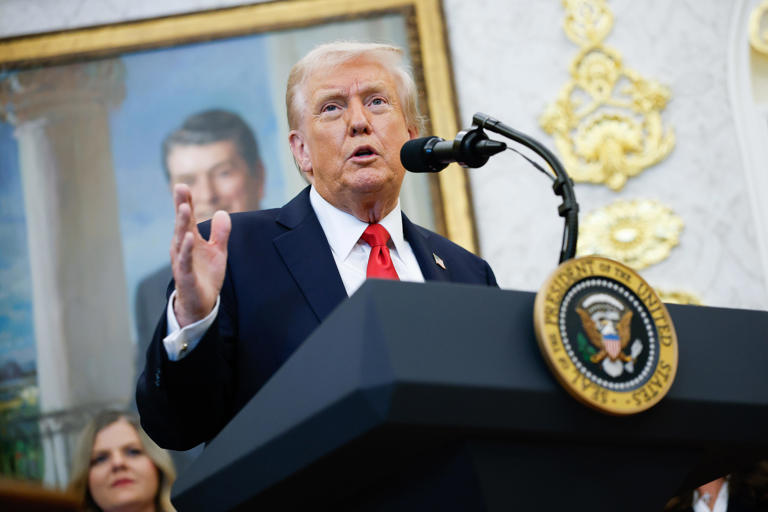
In remarks earlier today, President Trump described the agreement as a major milestone:
“They were going at it for years, with machetes—some of the worst violence anyone has seen. And I just happened to have someone who got it settled.”
He added that as part of the broader arrangement:
“We’re getting a lot of the mineral rights for the United States. They never thought they’d be coming to Washington.”
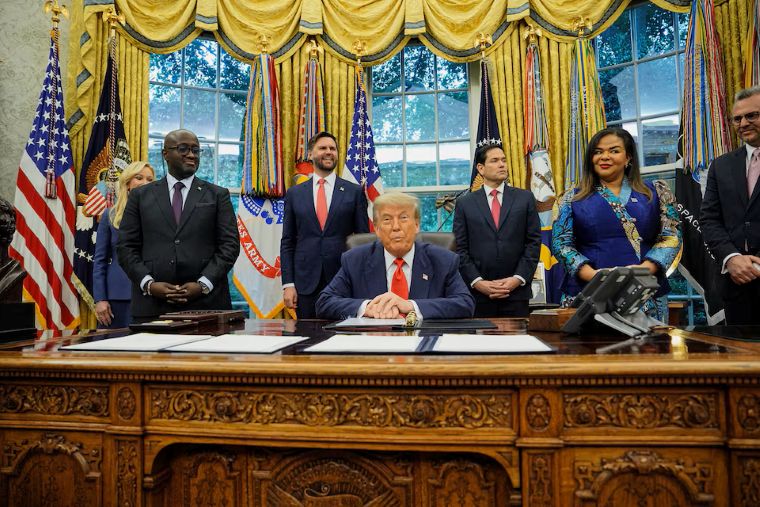
President Trump later met both foreign ministers in the Oval Office and extended formal invitations to President Felix Tshisekedi of Congo and President Paul Kagame of Rwanda to visit Washington for what his team is calling the “Washington Accord”—a broader package of economic and security deals to be finalized in the coming weeks.
However, not everyone is convinced the ink on the deal will be enough to ensure peace.
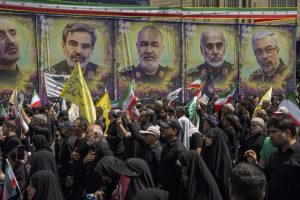
While Rwanda agreed to the U.S. proposal following direct engagement with Qatari and American mediators, Tehran’s involvement in the parallel talks with M23 rebels in Doha remains a complicating factor. The peace deal supports the Qatar-hosted mediation efforts, acknowledging that progress there is essential to cementing this truce.
The agreement also includes a phased conclusion of Congolese military operations targeting the FDLR, a militia group with links to the 1994 Rwandan genocide. Meanwhile, Rwanda maintains it has acted only in self-defense against such groups and denies supporting the M23 rebel movement, which has seized vast territory and valuable mining zones in recent months.
Speaking to reporters, Rwandan Foreign Minister Olivier Nduhungirehe hailed the agreement as a turning point. His Congolese counterpart, Therese Kayikwamba Wagner, emphasized that peace must be backed by action—namely, full disengagement and international accountability.
Analysts warn the deal’s success will depend on sustained U.S. engagement.
“The U.S. is the godfather of this deal,” said Africa expert Jason Stearns.
“If this peace is going to hold, Washington must make sure both sides stick to the terms.”
A clause in the agreement promises economic de-risking of mineral supply chains, positioning U.S. investors at the center of this resource-rich corridor—but peace remains a prerequisite for profit.
As one Congolese analyst put it:
“Securing the east means securing investment. But will economic logic be enough to end the fighting? Only time will tell.”
We will continue monitoring this historic development and bring you updates on the implementation of the Washington Accord and the regional response.
Reporting by Ehud Jones.