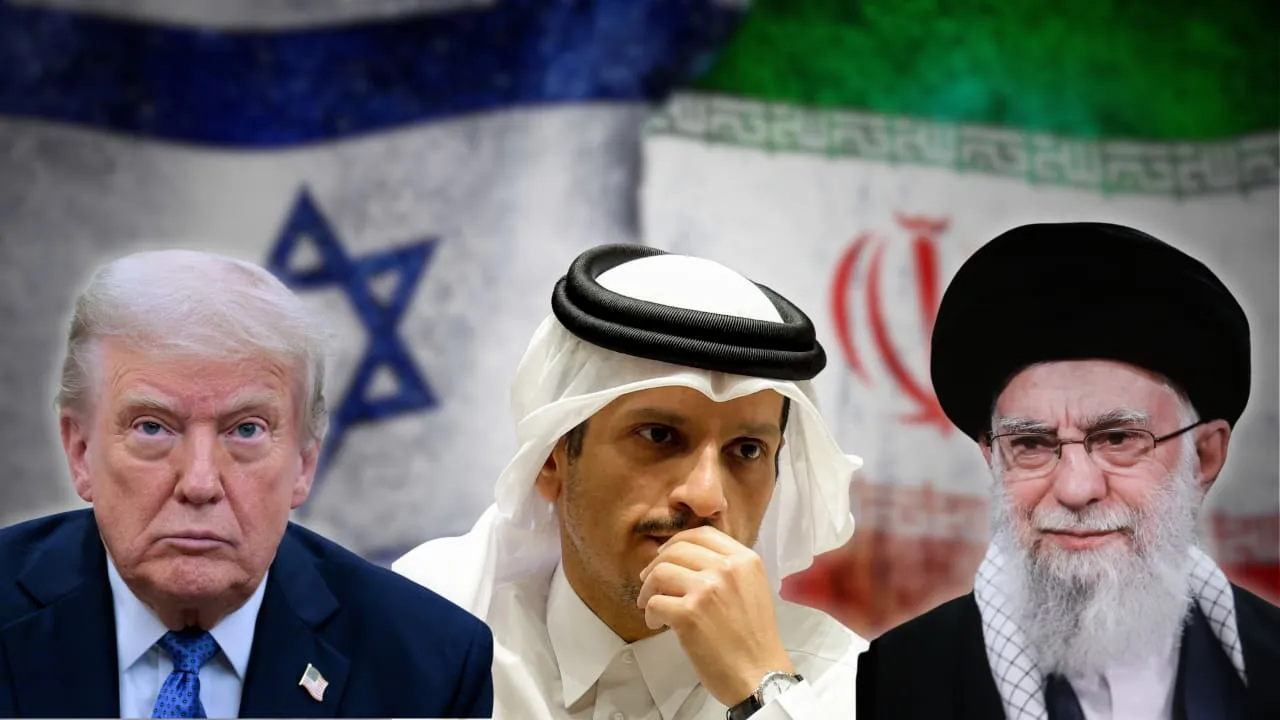
In a dramatic turn in the Middle East conflict, Qatar has emerged as a key peace broker, mediating an eleventh-hour truce between Israel and Iran after nearly two weeks of escalating violence.
According to diplomatic sources, U.S. President Donald Trump spoke directly with Qatari Emir Tamim bin Hamad Al Thani prior to the ceasefire announcement. The Emir then played a pivotal role in persuading Tehran to consider Washington’s proposal.
President Trump made the ceasefire official in a Truth Social post late Monday night, declaring:
“A ceasefire has been reached between Jerusalem and Tehran. Iran will immediately cease all attacks, and Israel will join the ceasefire at the 12th hour. On the 24th hour, both sides will conclude hostilities.”
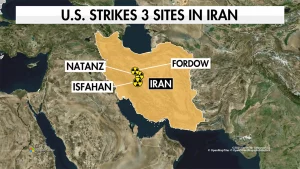
The deal comes after a 12-day war that saw devastating airstrikes, cyberattacks, and retaliatory missile launches—including Iranian ballistic missiles fired at U.S. bases in Qatar and Iraq just hours earlier.
Sources speaking to The Jerusalem Post and Reuters confirm that it was Qatar’s Prime Minister Sheikh Mohammed bin Abdulrahman Al Thani who secured Tehran’s agreement to the ceasefire terms during a critical phone call with Iranian officials—just after those missile strikes landed near Al Udeid Air Base in Doha.
U.S. Vice President JD Vance is also reported to have spoken with Qatari leaders during the tense hours of negotiation.
In a celebratory tone, President Trump later posted:
“CONGRATULATIONS WORLD, IT’S TIME FOR PEACE!”
He praised Qatar’s diplomatic intervention and emphasized that the global community must now rally around this fragile moment of calm.
But that calm may be short-lived.
Shortly after the ceasefire was announced, CNN reported that Iranian officials denied receiving any formal ceasefire proposal, casting doubt on the authenticity of the deal. One Iranian official labeled the American and Israeli statements as “deception” and vowed to continue hostilities.
As of this broadcast, Israeli leadership has not publicly confirmed their participation in the ceasefire, adding to the uncertainty.
While world leaders express cautious optimism, the next 24 hours are likely to determine whether the guns fall silent—or roar back to life.
We’ll continue to follow this story closely and bring you the latest developments as they unfold.
Reporting by Carl Montel.