We take a closer look at a question that’s top of mind for many Americans: Can the president actually control inflation? As prices rise and everyday items like groceries and gas strain household budgets, frustration builds—and often, that frustration is directed squarely at the White House. But how much power does the president really have when it comes to inflation?
Let’s break it down.
Inflation is the general increase in prices over time. It erodes your purchasing power—meaning your dollar buys less. From food and fuel to rent and healthcare, price hikes can make it harder to make ends meet or save for the future.
One of the most common ways to track inflation is through the Consumer Price Index, or CPI. It measures how much prices have changed for a standard basket of goods and services. The most recent numbers show a 3.3% rise in prices over the last year—slightly slower than April’s increase.
So, what causes inflation?
Several factors can drive it. One is supply and demand: when more people want goods than companies can provide, prices jump. Another is monetary policy—when there’s too much money circulating in the economy, it can also cause prices to rise.
Economist Mark Pingle explains it simply: “When more money exists, more money tends to be spent, which creates shortages of products and drives up prices.”
Now, what role does the president play?
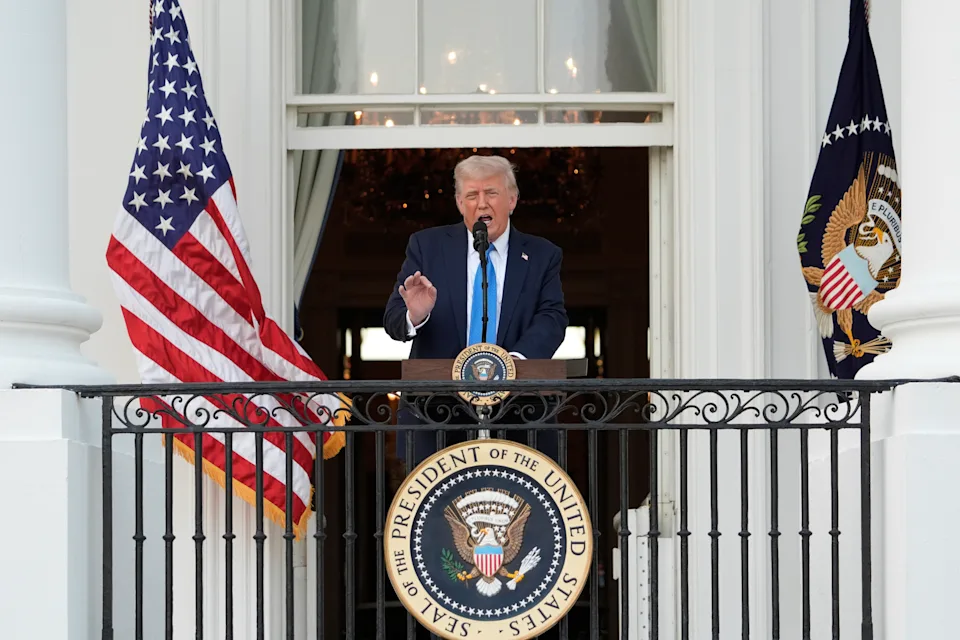
The president can influence inflation through fiscal policy—things like tax cuts, government spending, or trade tariffs. These actions can stimulate demand or raise costs, potentially fueling inflation.
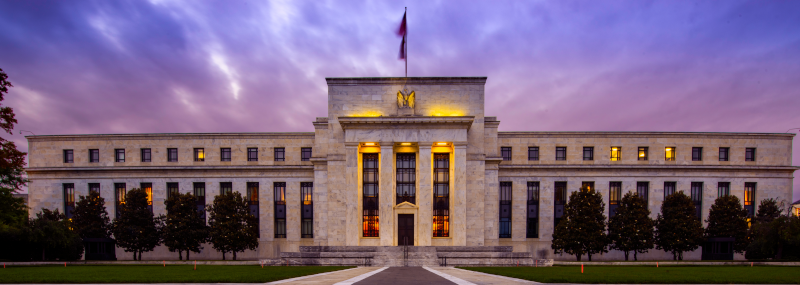
But the primary responsibility for managing inflation lies with the Federal Reserve—the nation’s central bank. More specifically, it’s the Federal Open Market Committee, or FOMC, that makes key decisions about interest rates and the money supply.
While the president does nominate members of the Federal Reserve’s Board of Governors—who help steer those policies—the Fed operates independently. That means decisions about raising or lowering interest rates are made based on long-term economic data, not political agendas.
So, while the president can nudge the economy, they can’t single-handedly steer inflation.
Now, what can you do when inflation rises?
First, cut non-essentials. Review your budget and see where you can trim spending to focus on essentials.
Second, boost your income. Whether it’s negotiating a raise, freelancing, or selling items you no longer need—more income can help offset rising costs.
And finally, maximize your savings. With interest rates higher, look into high-yield savings accounts or certificates of deposit that help your money grow faster.
Remember, inflation acts a lot like an invisible tax. As Professor Pingle put it: “It doesn’t take your money, but it has the same effect—your buying power shrinks.”
We will continue tracking the economy and what it means for your bottom line.
Reporting by Katy Moore.