We begin tonight with an important notice for millions of bank customers across the United States.
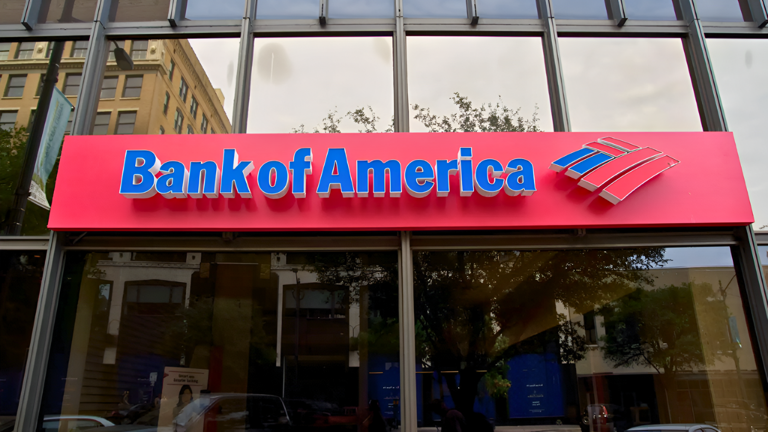
Bank of America is temporarily closing all of its in-person branch locations nationwide, affecting roughly 3,800 branches for a total of 48 hours later this year.
The bank says all physical branches will be closed on November 11, in observance of Veterans Day, and again on November 27, Thanksgiving Day. During those dates, customers will not be able to access teller services, safe deposit boxes, or other in-branch assistance.
Bank of America says the move aligns with the Federal Reserve’s holiday schedule, when core payment systems shut down. On federal holidays, banks cannot process wire transfers, clear checks, or settle certain transactions — making in-person operations impractical.
The decision is not unique. Chase, Citibank, Capital One, and other major banks are expected to follow the same schedule, effectively creating an industry-wide pause in branch services on those days.
For customers who rely on face-to-face banking — including small businesses, seniors, and those needing large cash withdrawals or cashier’s checks — the closures could cause short-term disruption. Any payments or transfers initiated on those dates will be processed on the next business day.
However, ATMs, mobile banking apps, and online services will remain fully operational, allowing customers to withdraw cash, check balances, and complete most routine transactions.
Banking analysts say the closures also reflect a broader shift toward digital banking, as more Americans manage their finances online. Traditional banks are increasingly steering customers toward mobile platforms, while online-only banks and fintech firms continue to gain ground.
The Federal Reserve holiday schedule also affects international transactions, meaning businesses involved in global trade could experience delays in cross-border payments and settlements.
Regulators are keeping a close eye on these changes. The Office of the Comptroller of the Currency requires advance notice of branch closures, and policymakers continue to debate how banks can balance efficiency with access — especially in rural and underserved communities.
Experts advise customers to plan ahead, schedule payments early, ensure access to cash, and familiarize themselves with digital tools to avoid inconvenience during the closures.
As the banking industry accelerates toward a digital-first future, these temporary shutdowns offer a glimpse into how Americans may access their money in the years ahead.
Reported by Noko David