
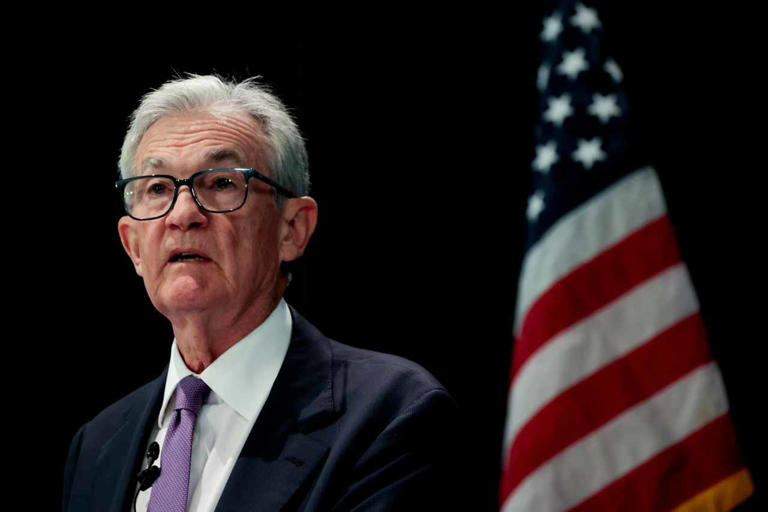
Financial markets are bracing for a nearly certain rate cut by the Federal Reserve at next week’s meeting, as the central bank continues its pivot toward supporting the job market and easing away from its fight against inflation.
The October 28-29 FOMC meeting is expected to deliver a quarter-point reduction in the federal funds rate, lowering the target range to 3.75% to 4.00%. Key Fed officials, including Governors Christopher Waller and Michelle Bowman, have endorsed this modest cut, while new appointee Stephen Miran has pushed for a larger half-point reduction. Boston Fed President Susan Collins and Chair Jerome Powell have also signaled support for easing in October.
Investor sentiment reflects this consensus. According to the CME FedWatch tool, nearly 100% of investors expect a rate cut next week.
The real question now is December, where the Fed’s next move is less certain. September’s Summary of Economic Projections revealed a range of views among the 19 voting members: while the median forecast suggested two or more cuts this year, seven members anticipated no further reductions, and two expected just one more cut.
Economic data will be key, but the federal government shutdown that began October 1 has delayed crucial reports from the Bureau of Labor Statistics and the Bureau of Economic Analysis. Should these reports arrive in time, a condensed batch of jobs and inflation data will land ahead of the December 9-10 FOMC meeting, potentially reshaping the committee’s decisions.
Powell has emphasized a meeting-by-meeting approach, balancing a slowing job market against inflation that remains above the 2% target. A sharper hiring slowdown could prompt another rate cut, while stubborn inflation, potentially worsened by tariffs, could make a pause more likely.
The Fed’s staffing and voting structure will also shift next year. Miran’s term ends in January, and President Trump is expected to nominate a new Fed chair when Powell’s term concludes next May. Voting seats among regional Fed presidents rotate annually, bringing Beth Hammack of Cleveland — who has cautioned against easing — into the mix.
For now, the October meeting appears to be a formality, with a modest rate cut almost guaranteed. The real debate begins in December, when policymakers will weigh economic data, inflation trends, and the evolving job market to determine whether additional cuts are warranted.
Reporting by Noko David.