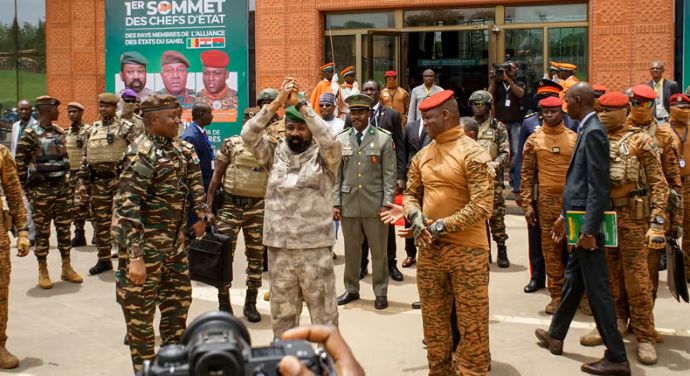
The Alliance of Sahel States made up of Burkina Faso, Mali, and Niger is pressing forward with the launch of its newly established regional development bank, in what leaders are calling a defining step toward economic independence.
Finance and economy ministers from the three military-led governments convened in Niamey, Niger’s capital, to finalize plans for the Confederal Bank for Investment and Development, or BCID-AES. According to a statement released after the high-level meeting, the ministers reached consensus to release capital contributions within a defined timeframe, setting the stage for the bank to become operational in the near term.
The institution is more than just a financial tool. Officials say the BCID-AES will act as an engine for self-sustained development, financing infrastructure, energy, and strategic economic projects across the bloc.
Mali’s Finance Minister, Alousséni Sanou, called the bank “a vehicle of true economic sovereignty,” emphasizing the bloc’s shared goal to mobilize domestic resources, lessen dependency on foreign aid, and strengthen financial autonomy.
To support this vision, each nation has pledged to allocate 5% of its national tax revenue to the bank. These funds drawn from jointly imposed taxes will serve as start-up capital to fuel development initiatives.
Burkina Faso’s top economic adviser, Serge Balima, explained:
“By pooling these revenues, we’re building a shared platform to finance our own future — on our terms.”
The BCID-AES was born following the three countries’ exit from the Economic Community of West African States (ECOWAS) earlier this year. Since then, the Alliance of Sahel States or AES has taken bold steps to consolidate its economic, political, and military agenda.
That includes new joint mining and infrastructure projects, and overhauled natural resource codes aimed at expanding state ownership. In some cases, the countries have nationalized foreign-run operations deemed underperforming or misaligned with state goals.
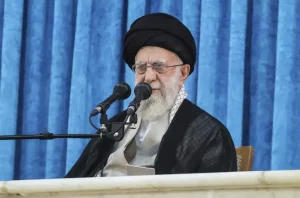
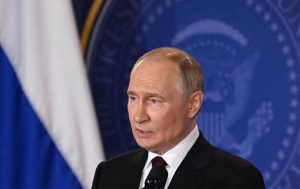
The departure from ECOWAS and break from traditional Western partners like France and the U.S. follows years of frustration over what leaders describe as a lack of meaningful support in counterterrorism efforts. In a strategic pivot, the bloc has instead deepened ties with Russia, Iran, and Turkey, signaling a significant geopolitical shift.
As groundwork for the bank’s legal framework and technical structure advances, leaders are urging public support for the institution — framing it as a vital component of economic resilience and regional solidarity.
With funding mechanisms now taking shape and political will be coalescing, the Confederal Bank for Investment and Development is poised to become a cornerstone of the Sahel’s new economic architecture.
We will continue to monitor developments and bring you updates as this historic initiative unfolds.
Reporting by Ehud Jones.