
After several years of relative calm between Saudi Arabia and Yemen’s Houthi movement, recent developments are raising concerns that tensions could once again escalate. Disputes over air travel, Iranian involvement, and regional security have placed the fragile de-escalation under renewed pressure.
The relationship between Saudi Arabia and Yemen’s Houthi movement appears to be entering a more uncertain phase after years of reduced hostilities.
Recent events surrounding air traffic into Houthi-controlled areas of Yemen have renewed concerns that the fragile period of de-escalation could give way to a new round of confrontation.
The latest tensions emerged after the Houthis accused Saudi Arabia of being responsible for strikes that disrupted operations at Sanaa International Airport. While other reports attributed the operation to Yemen’s internationally recognized government, which is backed by Saudi Arabia, the Houthis have continued to hold Riyadh responsible.
At the center of the dispute is the question of flights arriving from Iran.

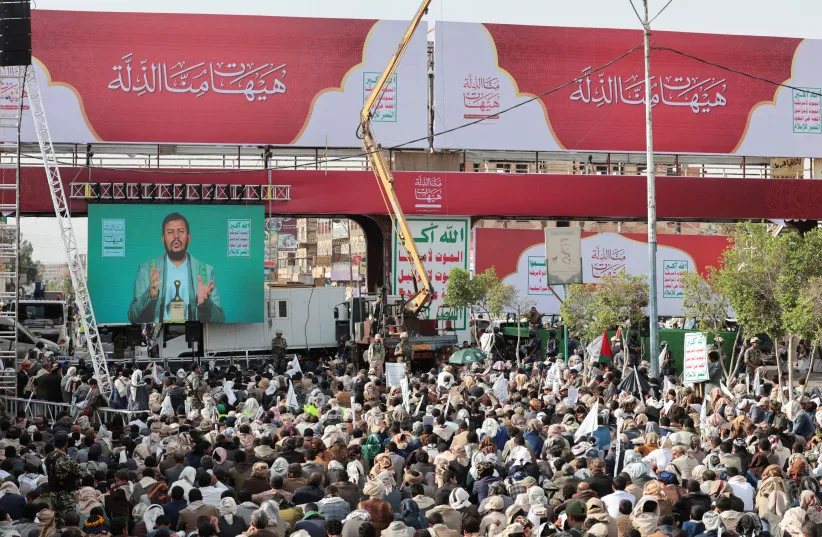
(photo credit: KHALED ABDULLAH/REUTERS)
Houthi officials have argued that reopening regular air connections would ease restrictions affecting civilians. Their opponents, however, contend that unrestricted flights could facilitate greater military or logistical support from Iran to the group.
The internationally recognized Yemeni government has maintained that it has the responsibility to regulate the country’s airspace and prevent unauthorized flights, describing recent military actions as measures to protect national sovereignty.
The Houthis, meanwhile, argue that such actions violate understandings reached under the United Nations-brokered truce that significantly reduced large-scale fighting beginning in 2022.
Although the ceasefire helped lower the level of direct conflict between Saudi Arabia and the Houthis, underlying political and security disputes have never been fully resolved.
Regional dynamics have also become increasingly complex.
Over the past two years, the Houthis have expanded their regional profile through attacks linked to wider Middle East conflicts, particularly in and around the Red Sea. Those developments have drawn increased international attention to the group’s military capabilities and its ties with Iran.
At the same time, strategic interests among regional powers have evolved.
Saudi Arabia and the United Arab Emirates, once close partners in the Yemen conflict, have at times pursued different political and security priorities, particularly regarding southern Yemen. Analysts say those differences have added another layer of complexity to efforts aimed at stabilizing the country.
Recent reports of meetings between senior Houthi representatives and Iranian officials have also fueled speculation that cooperation between the two sides remains active, although the extent of that relationship continues to be closely watched by regional governments and international observers.
The United Nations has expressed concern over the latest rise in tensions, urging all parties to exercise restraint and preserve diplomatic efforts designed to prevent a return to wider conflict.
Security analysts caution that while neither side has publicly signaled an immediate intention to launch a major military campaign, continued disputes over airspace, maritime security, and regional influence could increase the risk of miscalculation.
Any renewed confrontation between Saudi Arabia and the Houthis would carry consequences extending beyond Yemen, potentially affecting Red Sea shipping routes, regional stability, humanitarian conditions, and broader diplomatic efforts across the Middle East.
For now, the situation remains fluid, with governments across the region closely monitoring developments as diplomatic channels continue to seek ways to prevent further escalation.
Swati Montel, Reporting for SNEWS TV.