
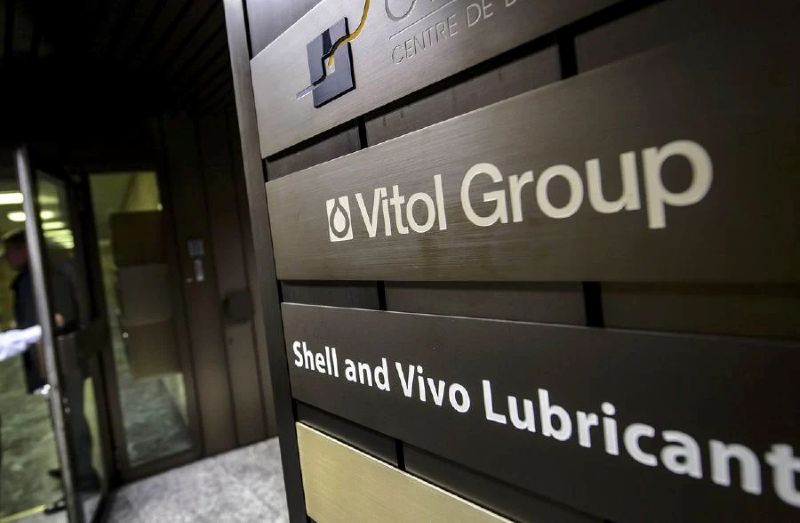
Two of the world’s largest commodity trading houses, Vitol and Trafigura, have emerged as central players in the Trump administration’s aggressive push to regain control over Venezuela’s oil exports, positioning themselves at the forefront of what could become one of the most lucrative sanctioned-oil trades in years.
While U.S. President Donald Trump has framed Washington’s takeover of Venezuela’s oil sales as a strategic win for the United States, officials turned to the Swiss-based trading giants when billions of dollars’ worth of crude needed to be moved quickly. Both companies hold special U.S. Treasury licenses allowing them to ship Venezuelan oil that remains under sanctions — a rare authorization that has given them a decisive head start.
The move comes as Venezuela’s state oil company, PDVSA, faces mounting pressure to restart exports after months of restricted output caused by U.S. enforcement actions that left storage facilities full and production sharply reduced.
Industry analysts say the opportunity is especially attractive for trading houses, which thrive on logistics and arbitrage rather than long-term investment. “It’s a big prize for commodity traders and far more immediate than for major oil producers,” said Christian Frutig, a former Trafigura executive. “This allows traders to re-enter a market that had effectively been closed to them.”
Vitol and Trafigura have already begun transporting large volumes of Venezuelan crude, including oil previously held on so-called “dark fleet” tankers off the country’s coast. Much of that crude is now being moved into storage hubs in the Caribbean, as traders work to line up buyers and determine pricing.
According to industry sources, the companies have offered cargoes to U.S. Gulf Coast refiners at discounts of roughly eight to nine dollars per barrel below Brent crude. Reports indicate Vitol has sold shipments to major refiners including Valero Energy and Phillips 66. With Venezuelan oil reportedly purchased from PDVSA at discounts of around fifteen dollars per barrel, the margins could be substantial in a sector where profits are typically measured in cents.
However, the risks are also significant. Many early shipments are being stored rather than immediately sold, forcing traders to finance the oil themselves amid limited bank support. Rising shipping costs and an oil market structure that penalizes storage have further squeezed margins, even as the race to sell intensifies.
Competition is also expected to grow. U.S. officials have signaled that additional companies may soon be permitted to trade Venezuelan crude, easing bottlenecks but potentially eroding Vitol and Trafigura’s early advantage.
The two firms are no strangers to operating during geopolitical upheaval. Together, they move enough oil daily to supply several of the world’s largest economies combined. During the energy shock following Russia’s invasion of Ukraine, trading houses posted record profits — with Vitol alone reporting more than five hundred billion dollars in annual revenue.
That experience was on display earlier this month when President Trump convened oil executives at the White House. Executives from Vitol and Trafigura revealed they were already preparing vessels to lift Venezuelan crude. Trafigura CEO Richard Holtum told the president that the company’s first ship would load within days, while a senior Vitol trader pledged to help move the oil “around the world at the best price possible.”
Still, the renewed role of the traders has drawn political scrutiny. Both Vitol and Trafigura have faced past U.S. investigations over bribery allegations in South America, prompting Senate Democrats to demand transparency around the Venezuelan oil arrangements. Lawmakers warned of heightened risks of corruption and profiteering given the scale and urgency of the trade.
The traders have reportedly secured contracts to market between 30 and 50 million barrels of Venezuelan oil, with licenses extending through mid-2027. Those permits may also allow trade in other commodities, potentially opening the door to exports of metals and minerals.
For now, shipments are moving toward buyers in the United States, Europe, and Asia, including China and India — countries equipped to process Venezuela’s heavy Merey crude. Analysts say this reopening of trade marks a major shift after years of deep sanctions-driven discounts and limited market access.
As Washington reshapes its Venezuela policy, Vitol and Trafigura appear poised to profit — once again demonstrating how global trading houses often stand at the crossroads of energy, geopolitics, and power.
Reporting by Noko David.