The European Union has taken a major step toward reshaping its global trade strategy. EU member states have approved the long-awaited Mercosur free trade agreement, clearing the way for one of the world’s largest trade blocs linking Europe with South America.
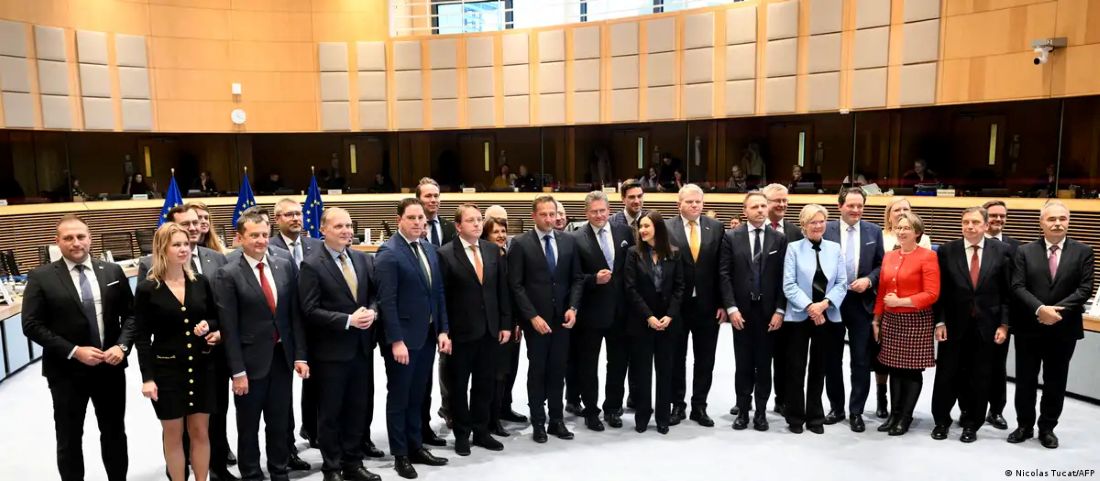
Representatives of the EU’s 27 member states voted in Brussels on Friday, with a majority—representing at least 65 percent of the bloc’s population—backing the deal. The decision allows the agreement to move forward, potentially as soon as next week, when European Commission President Ursula von der Leyen could formally sign it with Mercosur partners Brazil, Argentina, Paraguay, and Uruguay.
The pact still requires approval from the European Parliament before it can enter into force.
If ratified, the agreement would eliminate import tariffs on more than 90 percent of goods, bringing EU and South American economies closer together and creating a massive free trade zone spanning two continents.
Supporters say the deal will help European companies save billions of euros in duties each year and boost exports of vehicles, machinery, wines, and spirits—while also reducing reliance on the United States and China at a time of growing global trade tensions.
Germany has strongly backed the agreement. Chancellor Friedrich Merz called it a “milestone” for European trade policy, saying it strengthens the EU’s strategic autonomy. Finance Minister Lars Klingbeil described the pact as a clear signal in favor of free trade, contrasting it with rising protectionism elsewhere.
But the agreement remains deeply controversial.
France has refused to support the deal, with President Emmanuel Macron saying it was based on outdated terms and warning it could harm European agriculture. Italy and Poland have also raised objections in recent months.
Farmers across Europe have staged protests, fearing cheaper agricultural imports from South America could undercut local producers. On Thursday, tractors blocked streets in Paris and parts of Germany as demonstrators demanded stronger protections.
Despite the opposition, governments such as Germany and Spain argue the deal will strengthen European industries facing pressure from Chinese competition and U.S. tariffs.
EU trade chief Maros Sefcovic called the Mercosur pact the largest free trade agreement the EU has ever negotiated, while Brazilian President Luiz Inacio Lula da Silva said it sends a powerful message in support of multilateral trade.
As the debate shifts to the European Parliament, the future of the deal will be closely watched—both by businesses eager for new markets and by farmers worried about their livelihoods.
Reporting by Lisa Lomami.