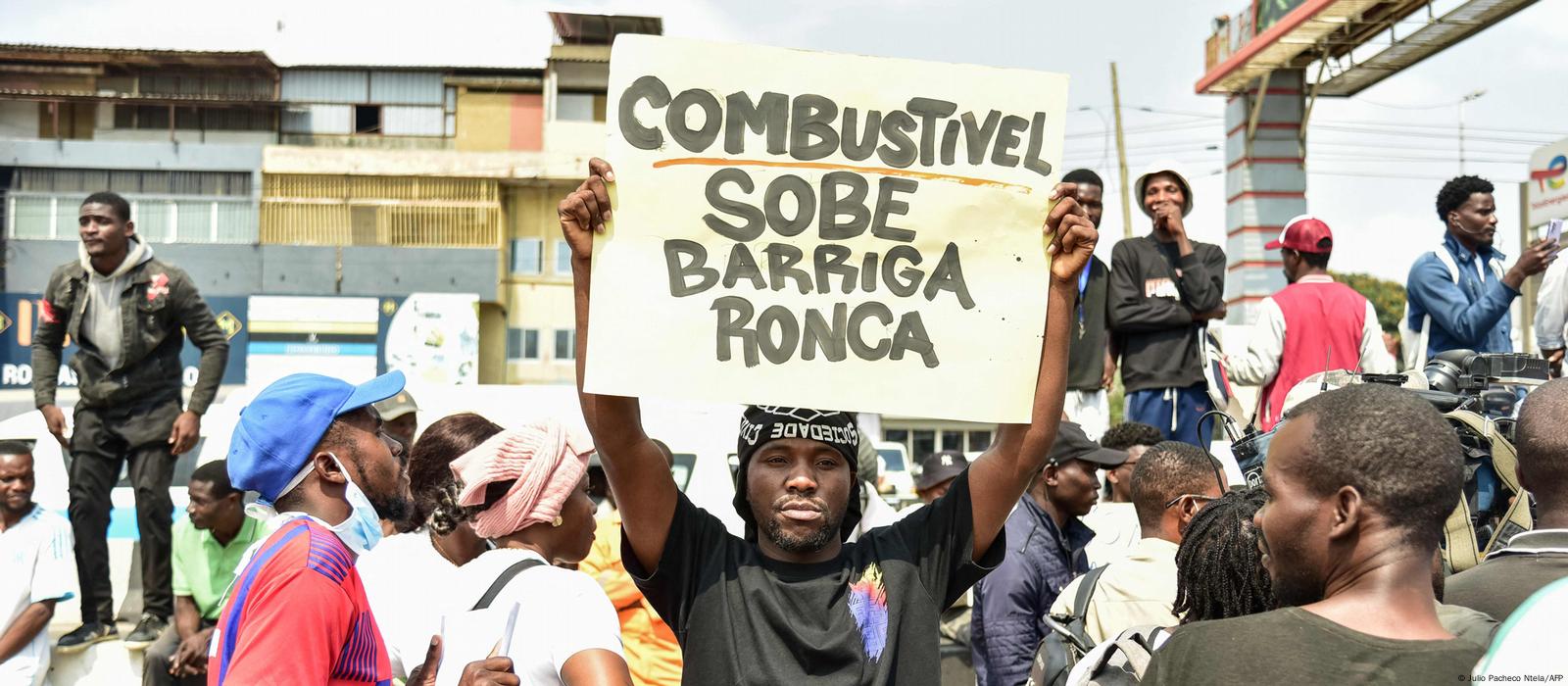
We begin with breaking developments out of Angola, where violent protests have erupted nationwide following a dramatic spike in diesel prices. The unrest has left at least 22 dead and nearly 200 injured, in what is being described as some of the worst civil disorder in the country in over a decade.
The violence began Monday in Luanda, the capital, after taxi driver unions launched a three-day strike to protest the government’s abrupt cut to fuel subsidies, a move tied to sweeping economic reforms backed by the International Monetary Fund. What started as peaceful demonstrations quickly spiraled into clashes, looting, and widespread destruction.
Gunfire rang out across multiple cities as protesters and police battled in the streets. Shops were ransacked, cars torched, and citizens were urged to stay indoors amid the chaos. By midweek, the Angolan military had been deployed to quell the violence and enforce order.
In a statement Wednesday, the presidency confirmed the detention of over 1,200 people and reported damage to 66 businesses, 25 vehicles, and several warehouses. The government described the crisis as a “widespread climate of insecurity.”
President João Lourenço convened an emergency session of his cabinet as pressure mounted to restore calm. Meanwhile, Interior Minister Manuel Homem confirmed that among the casualties was a police officer.
While some semblance of calm returned to Luanda by Wednesday evening, tensions remain high. Public transportation resumed partially, but many businesses remain shuttered. Long fuel lines and visible military patrols underscore the fragile peace.
But international concerns are growing. Human Rights Watch has condemned the government’s response, accusing security forces of deploying excessive force against largely peaceful protesters using tear gas, rubber bullets, and physical assaults in densely populated neighborhoods.
This latest wave of unrest mirrors scenes from last year, when similar protests over fuel prices led to deadly confrontations.
Angola, despite being one of Africa’s top oil producers, has spent the past two years phasing out fuel subsidies, which accounted for 4% of its GDP in 2024. The government says this step is necessary to stabilize public finances, but critics argue the policies are detached from the economic realities facing ordinary Angolans.
Opposition parties, including UNITA and the Democratic Bloc, have called the situation a “severe social and economic emergency”, blaming what they describe as “out-of-touch policies” for the suffering. The ruling MPLA party, in power since 1975, continues to face scrutiny for what many describe as authoritarian tendencies and suppression of dissent.
As the international community watches closely, the question now is whether President Lourenço’s administration can chart a path forward balancing economic reform with the rising public anger and deep-rooted inequality that fueled this explosion of unrest.
We will continue to bring you updates from Angola as they develop.
Reporting by Ehud Jones.