Federal Judge Suspends Trump’s Sanctions on International Criminal Court
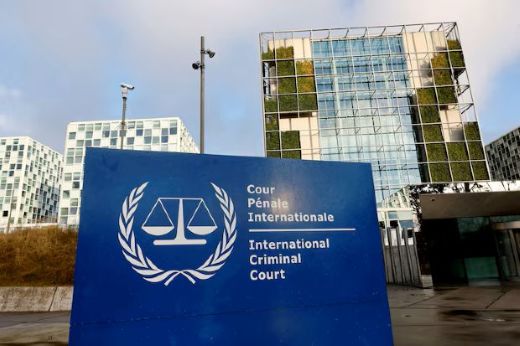
In a landmark legal development, a federal judge has issued a ruling that effectively halts the enforcement of former President Donald Trump’s controversial executive sanctions targeting the International Criminal Court, or ICC.
The ruling—handed down earlier today in Washington, D.C.—suspends the U.S. government’s authority to impose penalties on ICC personnel, including travel bans and asset freezes, which were first authorized by Trump in 2020 and expanded during his current term in response to the Court’s investigations into alleged war crimes by U.S. allies.
Judge Elizabeth Cramer of the U.S. District Court declared the sanctions unconstitutional, citing violations of First Amendment rights and a lack of sufficient national security justification. In her opinion, the court found that the administration had overstepped its authority in attempting to punish international judges and prosecutors for actions taken in their official capacity.
Backdrop: ICC Pursues Israeli War Crimes Case
The ruling comes at a highly charged moment in international politics. The ICC is currently pursuing war crimes investigations involving the conduct of Israeli officials in the Gaza conflict, including Prime Minister Benjamin Netanyahu and former defense chief Yoav Gallant—cases that have drawn fierce backlash from both Jerusalem and Washington.
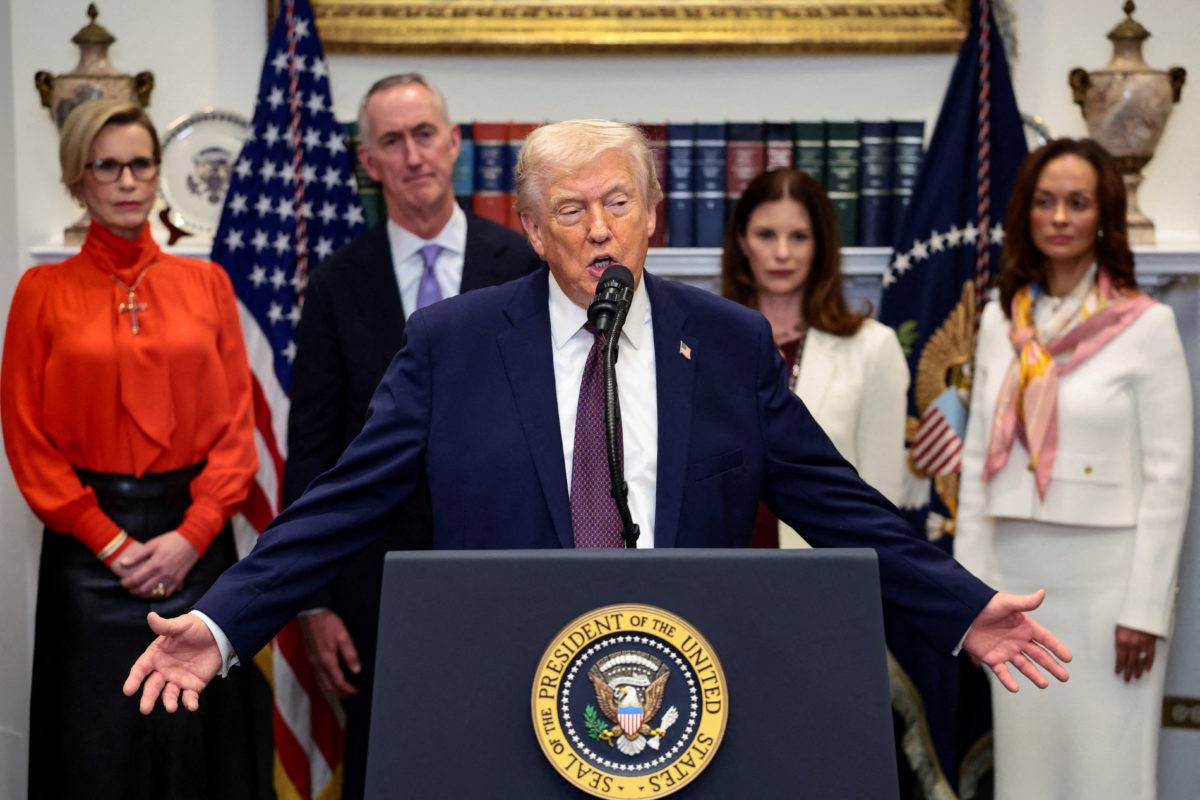
President Trump had responded with a hardline stance, expanding sanctions against ICC personnel and threatening broader punitive measures against countries cooperating with the Court.
Today’s court decision temporarily lifts those measures, handing a symbolic victory to human rights advocates and legal scholars who argued the executive actions undermined international law and judicial independence.
Reaction: Divided Response from U.S. and Global Leaders
Reactions have been swift and divided. A White House spokesperson called the ruling “deeply misguided” and signaled that the administration would appeal. “We will not allow unelected foreign prosecutors to target democratic leaders acting in defense of their nations,” the statement read.
Meanwhile, rights groups and international law experts praised the decision. Agnès Callamard, Secretary General of Amnesty International, said the ruling “restores a measure of legal sanity to a dangerously politicized standoff” and urged the U.S. to recommit to the international justice system.
In The Hague, ICC officials welcomed the ruling, calling it “a reaffirmation of judicial independence and the rule of law.”
What Comes Next?
The Biden-era pause on enforcing the 2020 sanctions was lifted after Trump’s re-election, and the new ruling will now likely be subject to a lengthy appeals process, possibly ending up at the Supreme Court. Legal analysts say the case could set a precedent for how far a U.S. president can go in penalizing foreign legal institutions.
As the legal battle continues, the ICC remains undeterred, vowing to press ahead with investigations into alleged war crimes by all parties—including state actors, military leaders, and even former heads of state.
We will continue tracking this major international legal showdown and bring you updates as they unfold.
Reporting by Katy Moore.