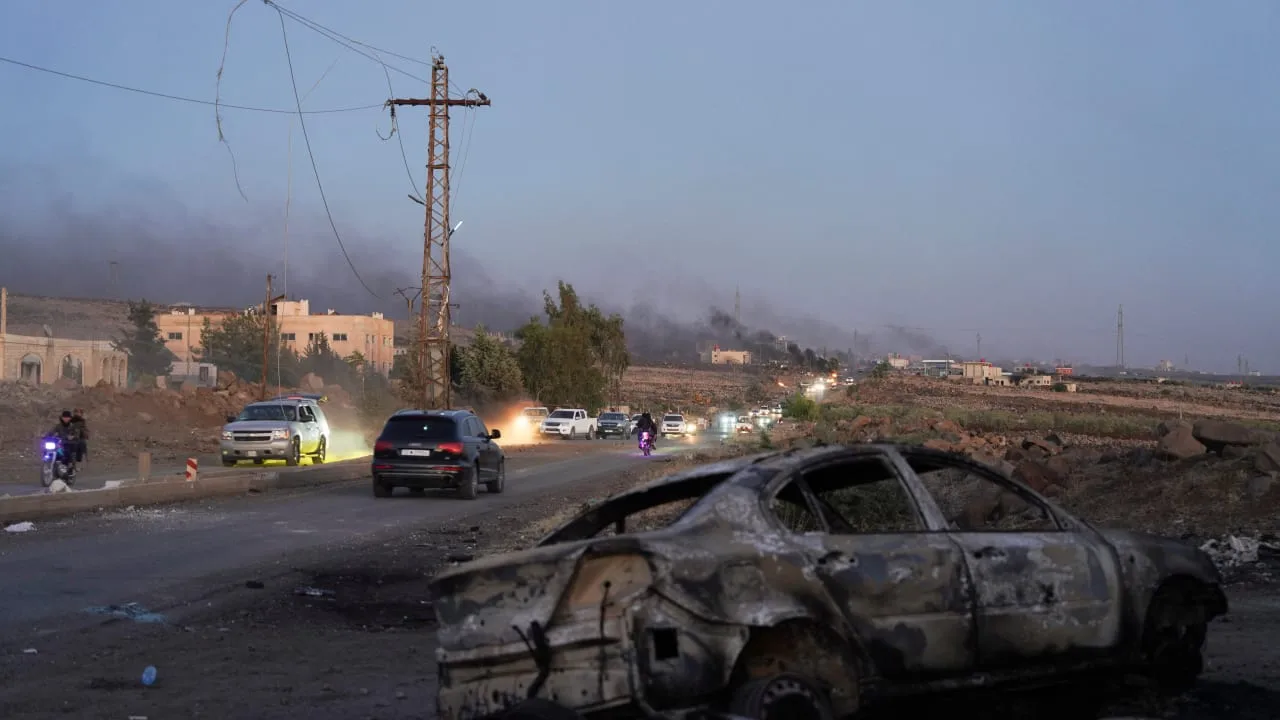
There is a major development in the Middle East — Syria has declared a nationwide and immediate ceasefire following days of intense fighting in the southern province of Sweida, home to the country’s Druze minority. The announcement comes after more than 300 people were killed in some of the deadliest sectarian violence in recent years.
According to Syrian officials, the decision followed a series of diplomatic exchanges with the United States. Damascus had interpreted these conversations as a green light to send troops south — believing Israel would not interfere. But those assumptions proved tragically wrong.
Last Wednesday, Israeli warplanes struck Syrian forces near Damascus and in the Sweida region, accusing the government of committing atrocities against Druze civilians. Prime Minister Benjamin Netanyahu said the strikes aimed to protect the Druze community and maintain a demilitarized buffer zone in the south.
In a coordinated response, the United States, Turkey, Jordan, and other regional players helped broker the ceasefire. U.S. Secretary of State Marco Rubio called the situation “horrifying” and blamed it on miscommunications between Israel and Syria. He emphasized Washington’s support for Syria’s territorial unity — but also for protecting all minorities.
Back in Sweida, the violence began when Syrian troops attempted to quell fighting between armed Druze factions and Bedouin militias. But according to multiple sources — including diplomats, regional intelligence officials, and human rights monitors — those forces carried out summary executions, tortured civilians, and inflamed sectarian tensions.
The Syrian Network for Human Rights reported at least 321 deaths, including women, children, and medical personnel. It said some killings amounted to field executions by both sides. Footage verified by Reuters showed disturbing images of bodies across the streets of Sweida though responsibility for the killings remains unclear.
Syrian President Ahmed al-Sharaa now finds himself under growing scrutiny. A senior Gulf official told SNEWS the Syrian leadership “overplayed its hand,” misjudging both U.S. intent and Israel’s red lines. The official added that the military operation — marred by a lack of discipline and reliance on militias with Islamist ties — may have further alienated Syria’s minority communities.
Political analysts say the incident underscores deeper fractures in Syria’s post-war identity. The Druze, Alawite, and Kurdish communities — long distrustful of the central government — are increasingly calling for local autonomy. U.S. envoy Tom Barrack has repeatedly said Syria must remain a “unified state,” without federalist models or self-rule enclaves.
But critics argue that interpretation gave President Sharaa a dangerous false sense of international backing to impose control by force. “It appears President Sharaa misread American statements about unity as permission to dominate minority regions. What happened in Sweida shows just how dangerous that misreading can be.”
Syria’s Foreign Ministry insists the operation aimed only to preserve national unity — not to escalate tensions or exact revenge. Officials now say they’re willing to redeploy forces to restore calm, but only with explicit assurances from Washington that Israel will not strike again.
Meanwhile, Israeli authorities say they’ve agreed to limited Syrian troop access to Sweida over the next 48 hours, to enforce the ceasefire and prevent renewed clashes. Whether this truce holds and what it means for the fragile balance of power in southern Syria remains to be seen.
We will continue to follow this story closely and what it means for the region.
Reporting by Carl Montel.