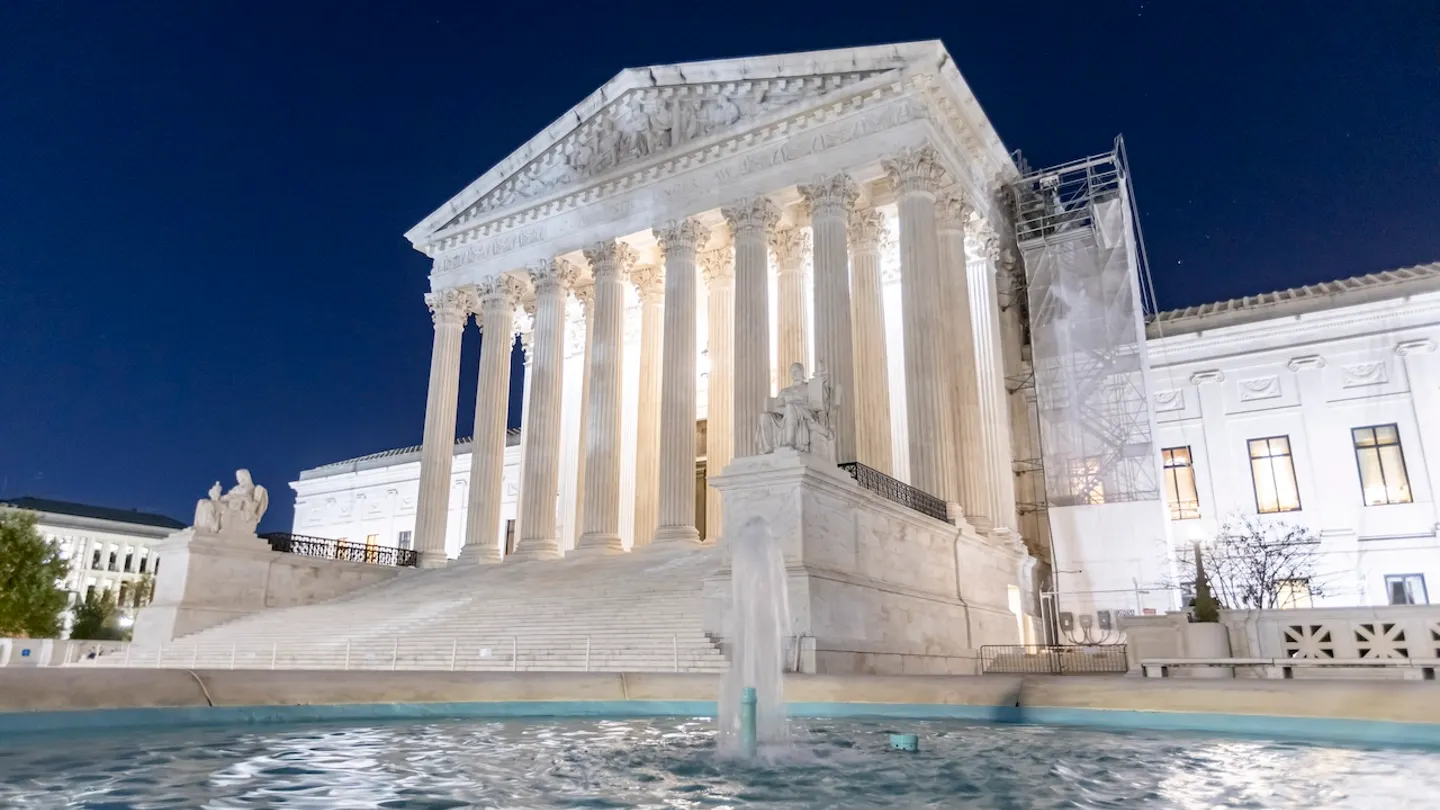
In an 8–1 ruling handed down today, the United States Supreme Court has granted the Trump administration temporary clearance to move ahead with its sweeping plan to reduce the size of the federal workforce, despite ongoing legal challenges.
At the heart of the controversy is Executive Order No. 14210, issued by President Donald Trump earlier this year. The directive calls on federal agencies to restructure and implement large-scale reductions in personnel, with the stated goal of streamlining government operations and cutting what the administration calls “waste and redundancy.”
The Supreme Court’s decision lifts a lower court injunction that had blocked the order’s implementation back in May. The justices made clear they are not ruling on the legality of the agency-level job cuts themselves, only that the executive order may proceed while the case works its way through the appeals process.
In the Court’s opinion, the majority stated that the government is “likely to succeed” in proving the order is lawful, noting that other legal and procedural factors for granting the stay had been met.
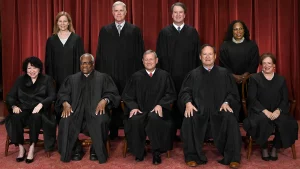
But not all justices agreed.
Justice Ketanji Brown Jackson issued a powerful dissent, warning that the Court had effectively “unleashed the President’s wrecking ball” without fully evaluating the facts. She argued that the executive action represents a radical restructuring of the federal government that bypasses Congress — the branch constitutionally tasked with controlling federal spending and employment. Jackson accused the majority of acting prematurely, calling the ruling “legally dubious” and “harm-inducing.”
The order, signed in February, mandates that agencies identify and eliminate “non-essential” roles — those not explicitly required by law or considered mission-critical. Agencies such as the Department of Energy and the National Institute for Occupational Safety and Health are reportedly facing cuts of 50% and up to 90%, respectively.
While the administration insists the move is necessary to modernize and right-size a bloated bureaucracy, critics — including labor unions and state officials — argue the cuts threaten vital services and violate constitutional principles.
The American Federal Government Employees Union released a statement condemning the decision, saying:
“Today’s ruling is a dangerous blow to our democracy. Laying off federal workers without congressional approval is both reckless and unconstitutional. We will continue this fight in court to protect essential public services and the communities we serve.”
Meanwhile, the White House celebrated the outcome. In a statement, Principal Deputy Press Secretary Harrison Fields called the decision “a definitive victory” and criticized what he termed “leftist judges” for trying to obstruct the President’s efforts to improve government efficiency.
Importantly, today’s ruling does not settle the legal debate once and for all. The Ninth Circuit Court of Appeals is still reviewing the case, and depending on the outcome, the executive order could be halted again in the months ahead.
As the legal battle unfolds, thousands of federal employees and the services they provide remain in limbo.
We will keep following this developing story and bring you updates as they come.
Reporting by Katy Moore.