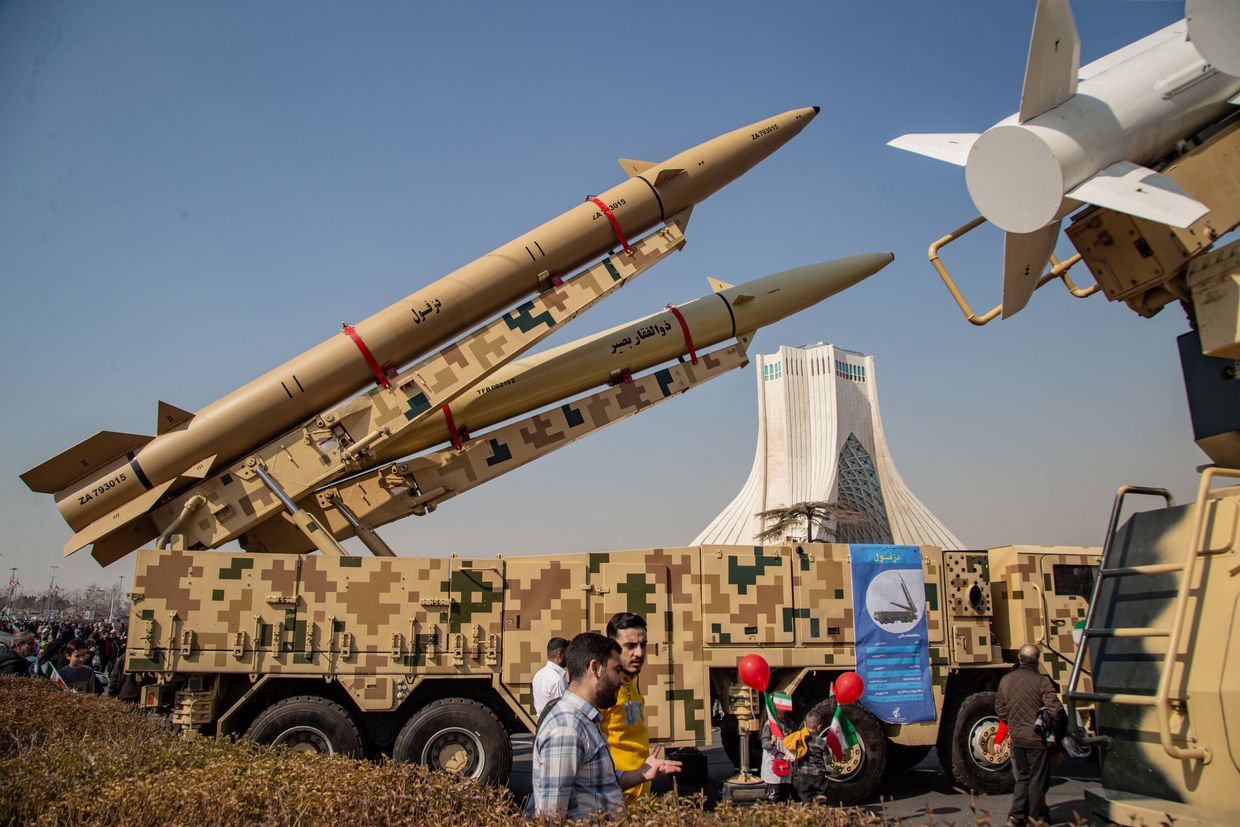
We begin with an unfolding military chess match between Israel and Iran as the regional conflict intensifies. In a bold strategic shift, Iranian forces are reportedly attempting to relocate their ballistic missile systems from traditional launch zones in western Iran to areas closer to Tehran—an apparent effort to dodge Israeli surveillance and extend the missile threat deeper into the conflict.
But that maneuver has not gone undetected.
Earlier today, the Israel Defense Forces confirmed that its air force successfully targeted and destroyed several convoys transporting weaponry, including surface-to-air missile launchers, as they moved toward the Iranian capital. The operation, described as preemptive and highly precise, disrupted what Israeli military officials believe is a new Iranian tactic to safeguard its arsenal by constantly shifting its launch platforms.
According to the IDF, this decisive strike has already had a dramatic impact. The Israeli military says it has reduced Iran’s ability to launch large-scale missile barrages—cutting the number of rockets fired from hundreds per wave to mere dozens.
In a briefing on Monday, IDF officials revealed for the first time that Israel’s air defense systems have successfully intercepted between 80 and 90 percent of incoming Iranian ballistic missiles. Only 5 to 10 percent, they say, have managed to hit residential zones.
Still, both sides appear locked in a high-stakes game of adaptation. The IDF acknowledged that while Iran is modifying its launch patterns to evade interception, Israel is simultaneously updating its own detection and targeting strategies.
Military analysts say this latest Israeli move is crucial—not just tactically, but symbolically. By intercepting Iranian missile shipments en route, Israel is sending a clear message: Whether stationary or in transit, these weapons remain vulnerable targets.
The IDF’s goal is to prevent Iran from building up enough firepower in undisclosed locations that could allow it to continue launching attacks indefinitely. Disrupting that supply line early, officials say, may shorten the conflict and weaken Iran’s long-term offensive capabilities.
As both nations race to outmaneuver one another, the stakes for the region—and the world—could not be higher.
We will continue to track this story and bring you updates as they come in.
Reporting by Carl Montel.