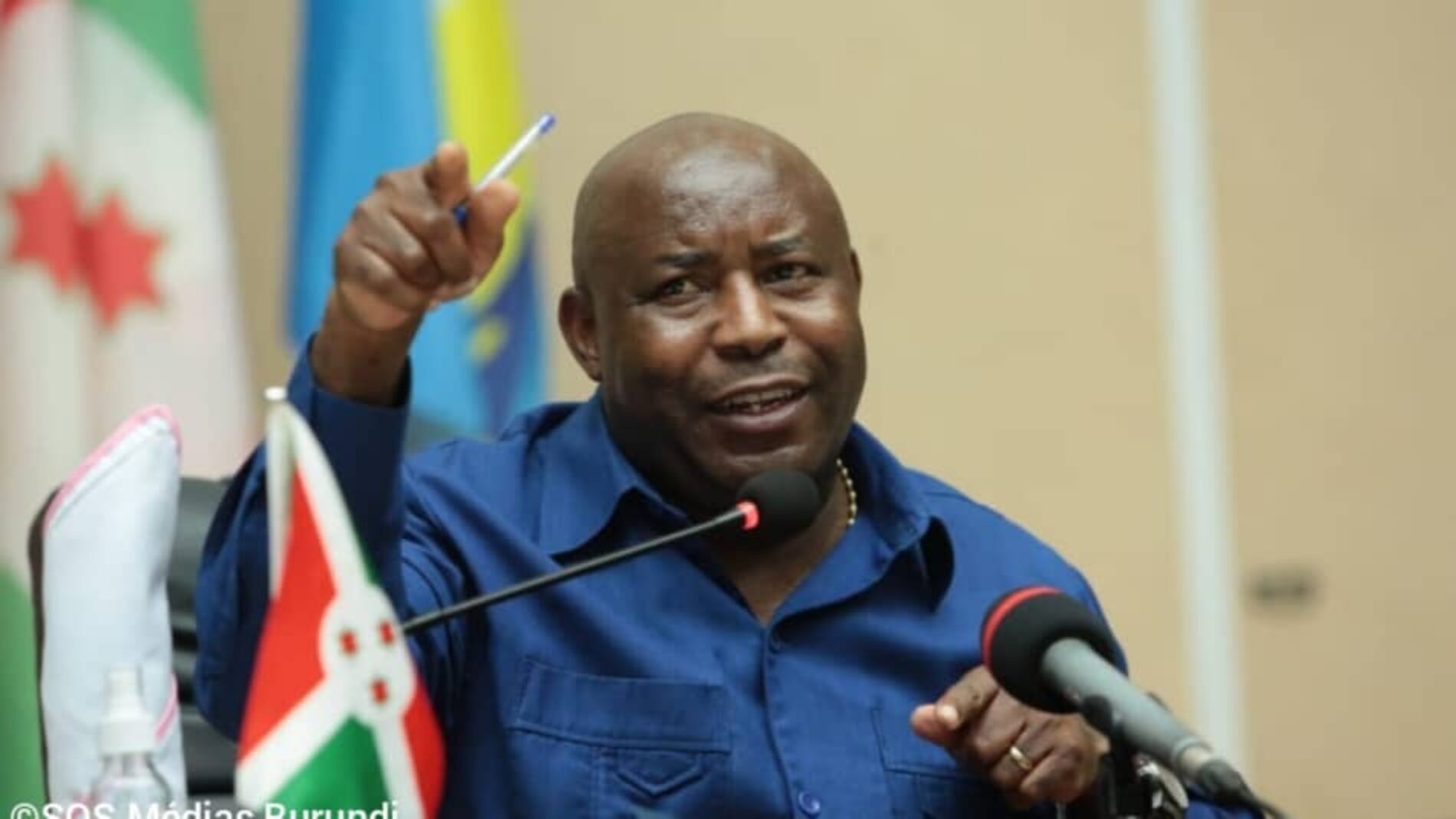
There are serious concerns about the state of democracy in Burundi, where the ruling CNDD-FDD party has claimed a complete sweep in the country’s recent parliamentary elections — winning all 100 contested seats.
The head of the electoral commission, Prosper Ntahorwamiye, announced the provisional results earlier today, confirming that the ruling party secured over 96% of the vote across all provinces. He acknowledged what he called “some minor irregularities,” but insisted they had been addressed and that the election proceeded largely without issue.
But opposition leaders and human rights groups tell a very different story.
Olivier Nkurunziza, head of the opposition Uprona party — which managed just over 1% of the vote — condemned the outcome, saying, “We have killed democracy.” The country’s largest opposition group, the National Congress for Liberty (CNL), fell to third place with just 0.6% of the vote.
Human Rights Groups Raise Alarm
International observers are raising the alarm. Human Rights Watch released a statement saying the results demonstrate that democracy in Burundi has been “hollowed out.” The group accused the CNDD-FDD, which has been in power since 2005, of “dismantling all meaningful opposition,” and carrying out a campaign of political intimidation that silenced dissent and weakened democratic institutions.
Among their concerns: reports that independent election observers from the Catholic Church were denied access to some polling stations. Freedom of expression, according to rights advocates, remains severely restricted across the country.
African Union’s Position Draws Criticism
In contrast, the African Union has praised the vote, describing it as “peaceful” and held in a “climate of freedom and transparency.” That assessment has sparked criticism from international observers and local activists, who argue it fails to reflect the realities on the ground.
No Celebrations in the Capital
Despite the sweeping victory, there was little sign of public celebration in Burundi’s largest city, Bujumbura. Our correspondents report a quiet, almost muted reaction as the results were announced.
Under the terms of the Arusha Accords — the peace agreement that ended Burundi’s civil war in the early 2000s — the country’s parliament must reflect the country’s ethnic diversity. The electoral commission says 11 additional seats will be added to address an ethnic imbalance, bringing the total number of seats in parliament to 111.
The Constitutional Court is expected to certify the final results by June 20.
As the country moves forward, critics warn that Burundi’s political system is edging dangerously close to one-party rule, with democracy itself under threat.
We’ll continue to monitor the situation and bring you updates as they come in.
Reporting by Ehud Jones.