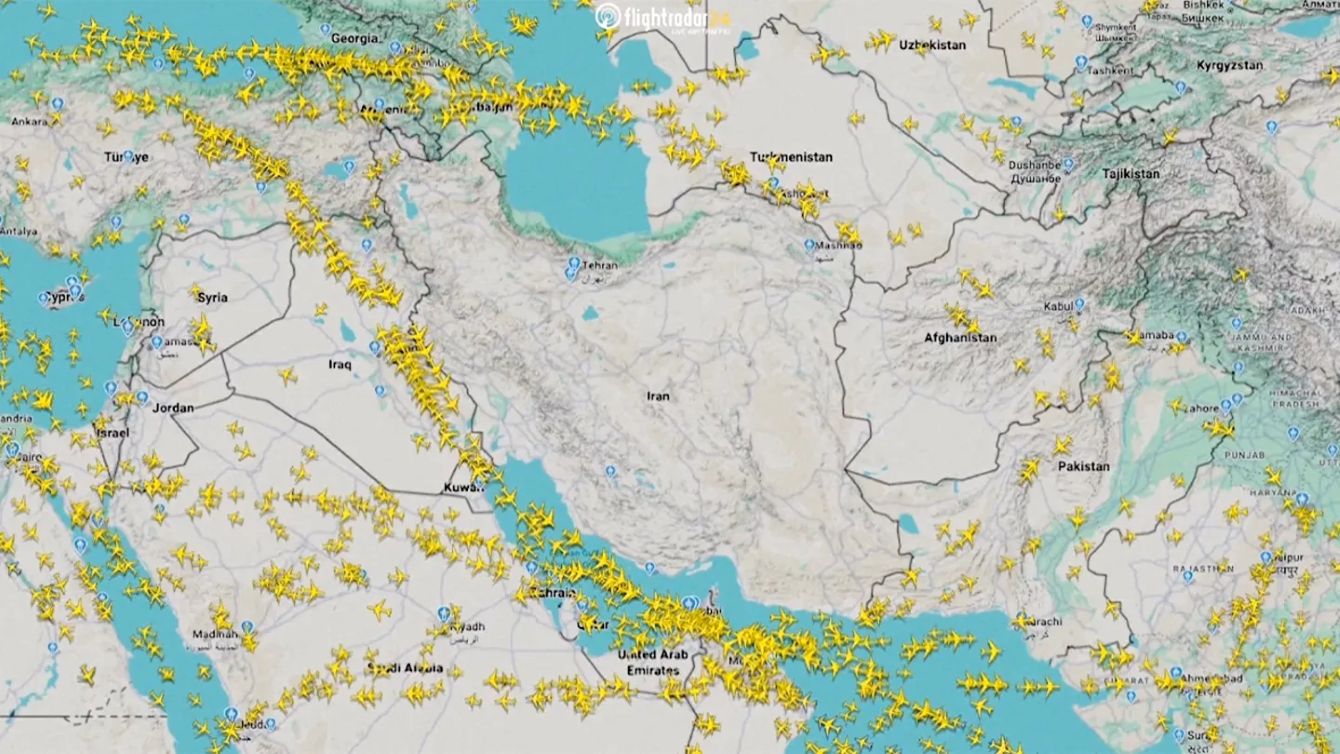
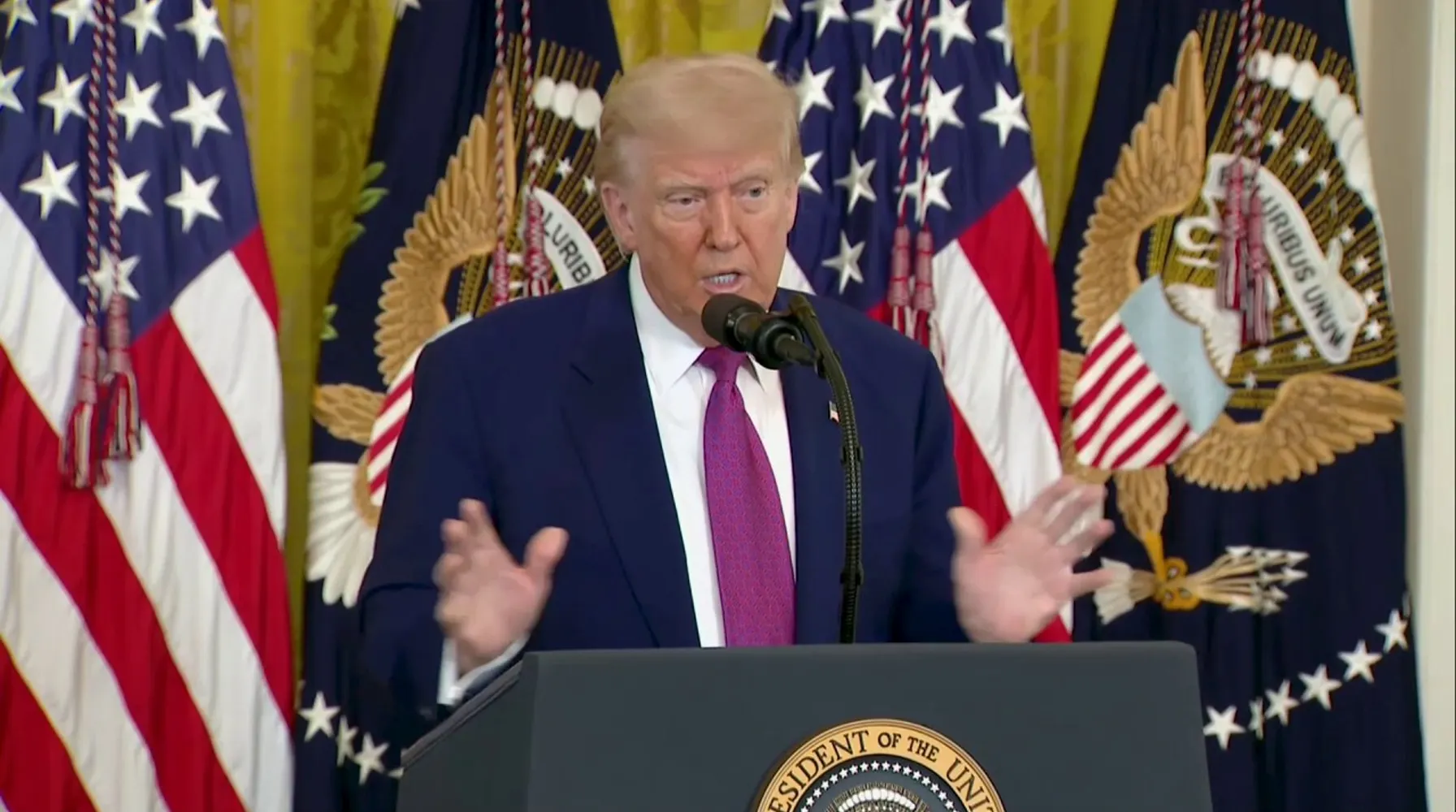
A stark warning from President Donald Trump: a military strike by Israel against Iran could be on the horizon. In remarks made Thursday, the President stopped short of confirming an imminent attack but stated bluntly — “It looks like something that could very well happen.” His comments come as nuclear negotiations with Iran remain deadlocked, and the U.S. quietly begins precautionary evacuations across the Middle East.
Trump emphasized that the core of U.S. policy is unchanged: “Iran cannot have a nuclear weapon — period,” he declared. Despite insisting, he’d prefer a peaceful resolution, Trump noted Iran must negotiate more seriously, hinting at frustration over Tehran’s refusal to give up its uranium enrichment programs — a key sticking point in ongoing talks.
The President said the two sides were “fairly close to a pretty good agreement,” but stressed that any deal must be better than just “pretty good.” While diplomacy inches forward, Washington is also preparing for worst-case scenarios.
On Wednesday, the U.S. government began advising evacuations for non-essential personnel from select locations in the Middle East, including a partial drawdown at the embassy in Iraq. Trump described the move as precautionary: “We’ve told people to get out, because something could happen soon,” he said, adding he didn’t want to be caught unprepared if missiles start flying.
While no U.S. troops have been withdrawn at this time, embassies near Iran have activated emergency response teams and are reporting their contingency plans back to Washington.
Interestingly, despite circulating reports, embassies in Kuwait and Bahrain have not changed their operational postures. Bahrain, which hosts the largest number of American military families in the region, has denied any evacuations, stating activities remain normal.
Meanwhile, the international situation surrounding Iran’s nuclear ambitions continues to deteriorate. The International Atomic Energy Agency (IAEA) confirmed this week that Iran increased its stockpile of highly enriched uranium by more than a third in just three months. According to the Institute for Science and International Security, Iran may be able to enrich enough material for a nuclear weapon in as little as two to three days — a development that has alarmed Western analysts.
In a striking rebuke, the IAEA’s Board of Governors has officially declared Iran in breach of its nuclear non-proliferation commitments — the first such finding in nearly two decades. The matter may now head to the United Nations Security Council, opening the door to renewed international sanctions.
Only three countries — Russia, China, and Burkina Faso — opposed the IAEA’s breach declaration.
Despite these alarming developments, Iran continues to deny it is building a nuclear weapon. The U.S. Director of National Intelligence backed that claim in March. However, Defense Secretary Pete Hegseth — testifying before Congress this week — said intelligence suggests Iran is “moving toward something that looks a lot like a nuclear weapon.”
The next round of direct and indirect nuclear negotiations is scheduled to take place in Oman this Sunday, led by U.S. Special Envoy Steve Witkoff. But with trust eroding and the clock ticking, the window for diplomacy may be closing fast.
As tensions build, the region — and the world — braces for what could come next. We will continue the coverage on this developing story.
Reporting by Carl Montel.