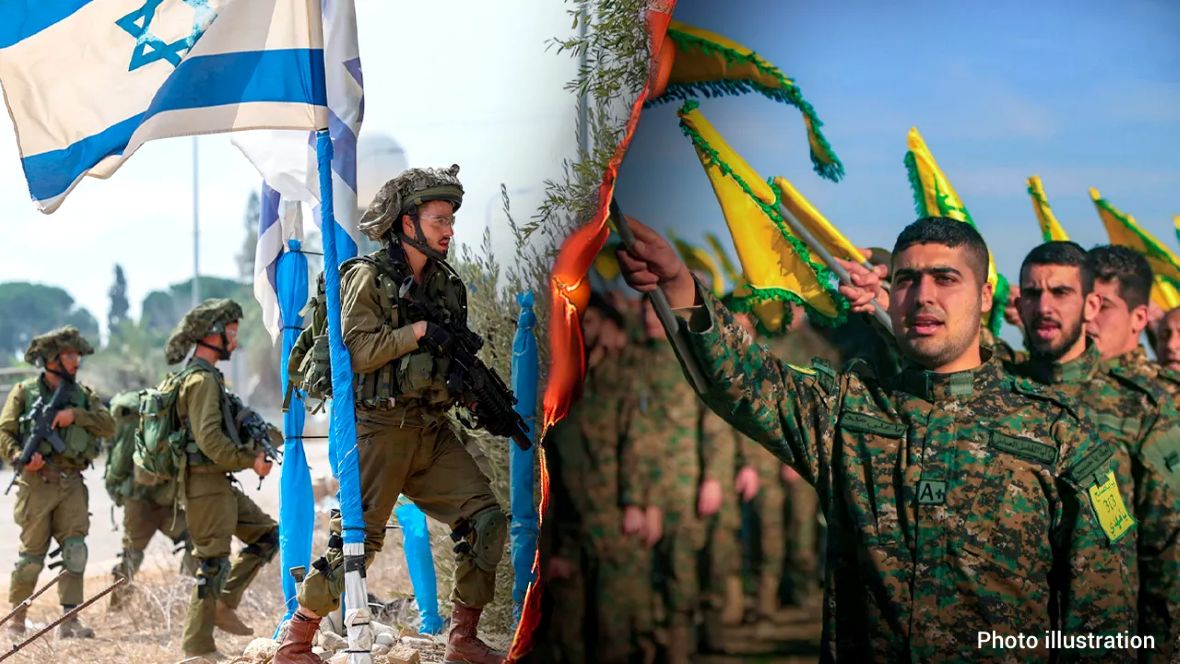
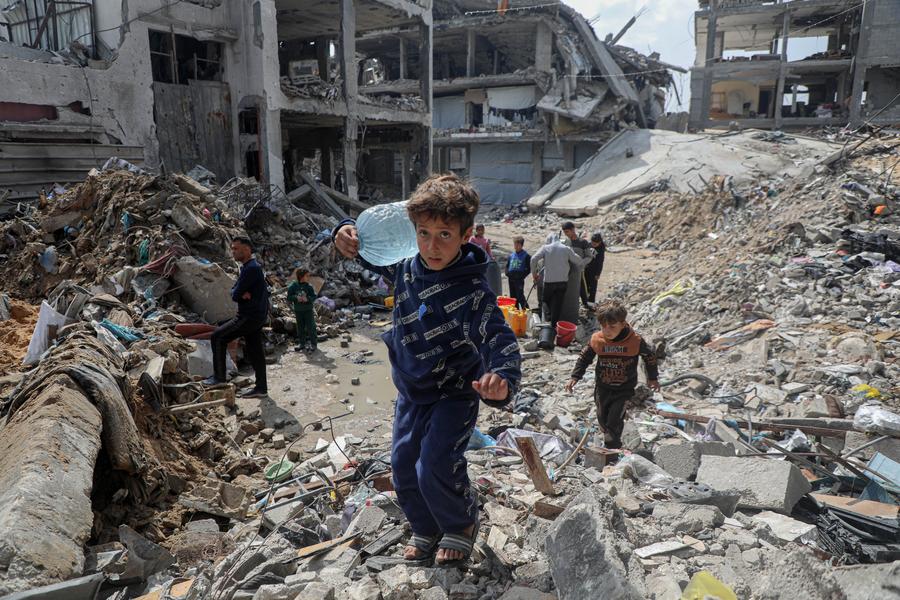
After nearly three months of a near-total blockade, Israel says it will now allow a limited supply of humanitarian aid into the Gaza Strip. The announcement comes amid growing international concern over worsening famine conditions in the besieged enclave, home to over two million people.
Prime Minister Benjamin Netanyahu’s government confirmed the decision on Sunday, stating that a “basic” level of food assistance will be permitted—though specifics on timing and delivery remain unclear. The move follows warnings from global food security experts about the growing risk of mass starvation in the territory.
Netanyahu reportedly told his Cabinet that an escalating humanitarian crisis could threaten Israel’s ongoing military operations in Gaza. However, Israeli authorities emphasized that measures will be taken to prevent aid from reaching Hamas militants.
Israel imposed the full blockade back on March 2nd, cutting off all food, medical supplies, and other essentials. The restrictions were aimed at pressuring Hamas into accepting new ceasefire conditions. But after a two-month lull in fighting, hostilities resumed, with Israel launching what it now describes as its most extensive ground offensive since the truce.
Over the weekend, heavy bombardment rocked several parts of Gaza. Health officials report that at least 103 Palestinians, including dozens of children, were killed in airstrikes. In Khan Younis, the southern city, hospitals counted 48 dead, many of them women and children. In the north, a strike in Jabaliya reportedly wiped out an entire family of nine.
One of the region’s last functioning hospitals, the Indonesian Hospital in northern Gaza, has now closed its doors. According to hospital officials, it was hit directly and is under what they describe as a military siege. Israeli forces claim they are targeting militant infrastructure operating in close proximity to medical sites, but human rights groups warn that Gaza’s health care system is on the brink of collapse.
Meanwhile, talks continue in Qatar. Netanyahu’s office says negotiators are pursuing every opportunity for a deal that could secure the release of the remaining 58 Israeli hostages held by Hamas. Israel’s proposal includes a temporary ceasefire and the disarmament of Gaza in exchange for ending the war. Hamas, however, insists on a full Israeli withdrawal from the territory.
The war, which began in October 2023 after a deadly Hamas-led attack killed 1,200 Israelis and abducted over 250 others, has since claimed more than 53,000 Palestinian lives, according to Gaza’s Health Ministry. The agency does not distinguish between civilians and combatants in its figures.
Domestically, pressure is mounting on Israel’s leadership. A growing number of citizens are refusing military service. Others are protesting weekly, holding up images of Palestinian children lost in the conflict, and calling for an end to the violence and the return of hostages.
As this devastating war continues, the world watches closely, hoping for a breakthrough that might finally bring peace to the region.
Reporting by Carl Montel.